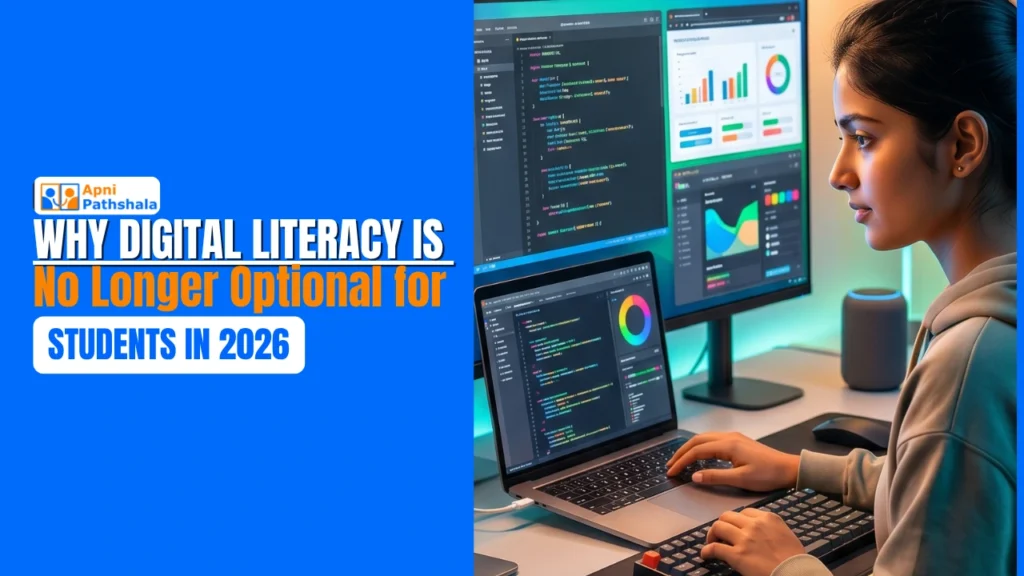
There is a quiet test happening in every interview room, in every college admissions process, and on every first day at a new job across India.
Nobody announces it. There is no official section for it on any application form.
But it is there, and the students who haven’t prepared for it find out the hard way.
The test is simple: can you function in a digital world?
Not just use a phone. Not just scroll.
Actually function to find credible information, evaluate what you are reading, communicate clearly using digital tools, protect yourself online, and apply technology to solve a real problem.
Basic, functional digital competence is the kind that used to be a bonus and is now simply expected.
That gap between what the world expects and what students have been prepared for is where careers quietly break down before they start.
What Digital Literacy Actually Means?
This is where most conversations go wrong. Digital literacy isn’t knowing how to use Instagram.
A twelve-year-old who has never studied it formally has that sorted.
It isn’t owning a smartphone, or being able to download an app, or streaming video without buffering.
Digital literacy is the ability to think with technology, not just use it. It means knowing how to search for information effectively, which is a skill and not an instinct. It means evaluating what you find, understanding that the first result on Google isn’t always correct, that AI tools can be wrong, and that a confident-sounding source isn’t the same as a reliable one.
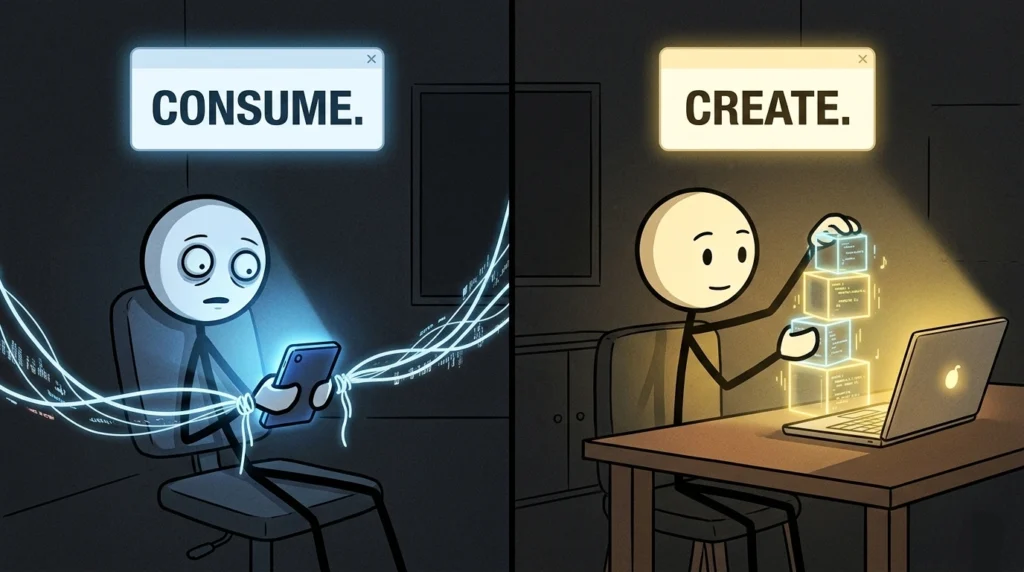
It means creating with technology: a document, a presentation, a simple project, something that requires you to apply a tool rather than just consume it.
We wrote about this distinction in our article on why teaching your child to use AI is not enough anymore, the difference between using technology and understanding it.
The same gap applies here, at the foundational level. A student who can scroll but can’t evaluate. A student who can download but can’t create. A student who can consume but can’t communicate clearly in a digital format.
That student is digitally present. Not digitally literate. Not the same thing.
The Real Cost of Waiting
Here is what makes this genuinely urgent rather than abstractly important.
India’s education system is catching up. CBSE introduced AI as an elective starting in Class 6, and the new Computational Thinking curriculum will roll out from Class 3 in 2026 to 2027.
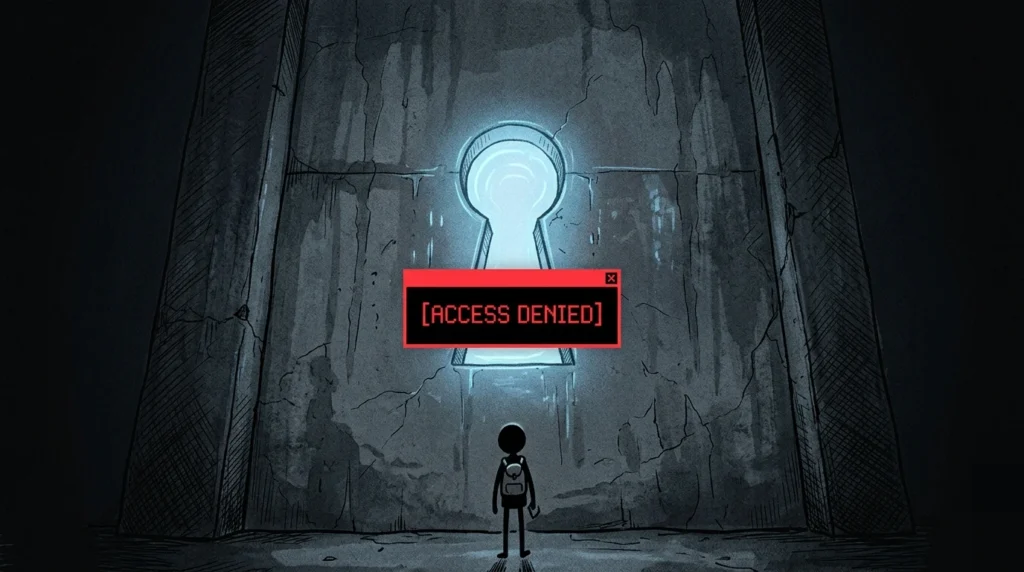
These are real steps. But the students sitting in Class 10 and Class 12 right now are in a gap. The old curriculum didn’t prepare them.
The new one hasn’t reached them yet.
And the economy isn’t waiting for either. We explored the structural reasons for this in our piece on the biggest trap in India’s education system, the fact that curricula lag behind the economy by three to five years, consistently.
Digital literacy is the most visible current casualty of that lag.
The student who graduates without foundational digital skills doesn’t just miss one opportunity. They miss a category of opportunities because digital competence is now table stakes, not a specialization.
And in a country where 42.6% of graduates are already considered not industry-ready, adding “digitally unprepared” to that profile is a compounding problem.
What Students Can Actually Do Right Now?
Three things. None requires money.
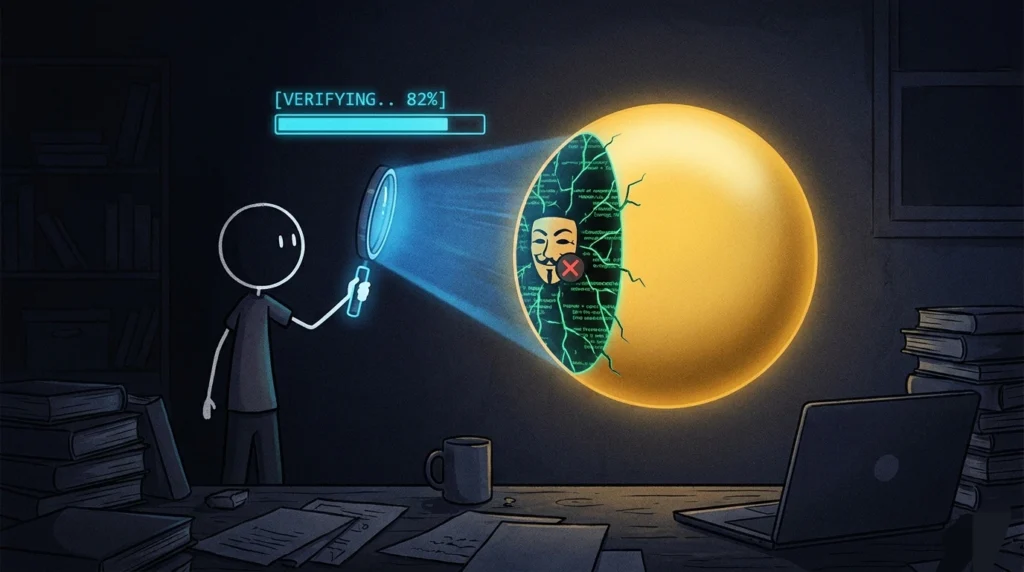
Build a daily digital habit with purpose. Not consuming. Creating or evaluating.
Spend twenty minutes a day doing something that requires you to use technology actively, finding information on a topic you care about, checking two different sources, writing something, and editing it on a computer, or watching a tutorial and then trying the thing yourself.
Learn to question what you see online. Before accepting any piece of information found digitally, ask where it came from, whether the source has a reason to be biased, and whether another credible source confirms it.
This habit, practiced consistently, is worth more than any certification.
Use free tools with intention. The free AI tools available to Indian students in 2026, Perplexity for research, NotebookLM for revision, and Gemini for writing, all build digital fluency as a byproduct of using them properly.
The keyword is properly: with direction, not passively.
We covered how to build this kind of self-directed learning habit in an earlier piece because digital literacy, like most skills, doesn’t arrive through instruction alone.
It arrives through practice with purpose.
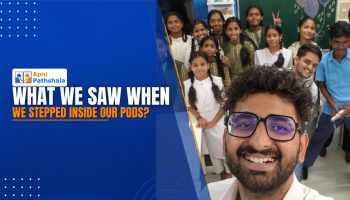
For students in areas where these resources feel out of reach, Apni Pathshala’s PODs across 22 states provide structured digital learning environments, with tools like Eklavya AI and safe internet access through Apni Prerna, all free of charge.
Worth checking apnipathshala.org. The honest version of this conversation is simple. Digital literacy is not a future skill.
It isn’t something to prepare for in the long run.
It is a requirement for exams, admissions, employment, and navigating daily life in a country that processes more digital transactions than most of the world.
Waiting for the system to teach it means waiting for a curriculum cycle that moves in years while the world moves in months. The students who don’t wait are the ones who arrive ready.
If you want to see where this leads:
It’s not about teaching AI. It’s about teaching how to think. Read more.
Frequently Asked Questions
1. Why do students who study hard still struggle with digital skills?
Ans: Most studying is passive reading, highlighting, and repeating. Digital literacy requires active application: doing something with a tool, not just reading about it. The same principle that makes re-reading ineffective also applies to screen time without purpose.
2. Can a student pass CBSE boards without a tutor, and does digital literacy help?
Ans: Yes to both. Digital tools such as AI tutors, NCERT explanation platforms, and practice test generators are increasingly effective substitutes for private tuition, but only for students with the digital confidence to use them properly.
3. How can parents support their child’s digital literacy without knowing the subject?
Ans: Ask your child daily what they learned online and encourage them to show and explain it. This builds real digital skills without needing subject knowledge.
4. Why is self-learning considered the future of education?
Ans: Self-learning allows students to learn at their own pace, explore topics in depth, and build real understanding rather than just memorize for exams.