It happens in almost every home at around 7:30 PM.
You are exhausted from work. Your child is restless and won’t sit still to study. The tension rises, and a silent trade is made: you hand over a smartphone or a tablet. Instantly, the house is quiet.
You take a deep breath and tell yourself it’s fine. But if you want to understand the real effects of screen time on children, you have to look closely at what is actually happening on that screen.
But look closely at what is actually happening on that screen.
They are not learning to code. They are not solving hard math problems. They are watching a funny 15-second video, then a mobile game, then another video.
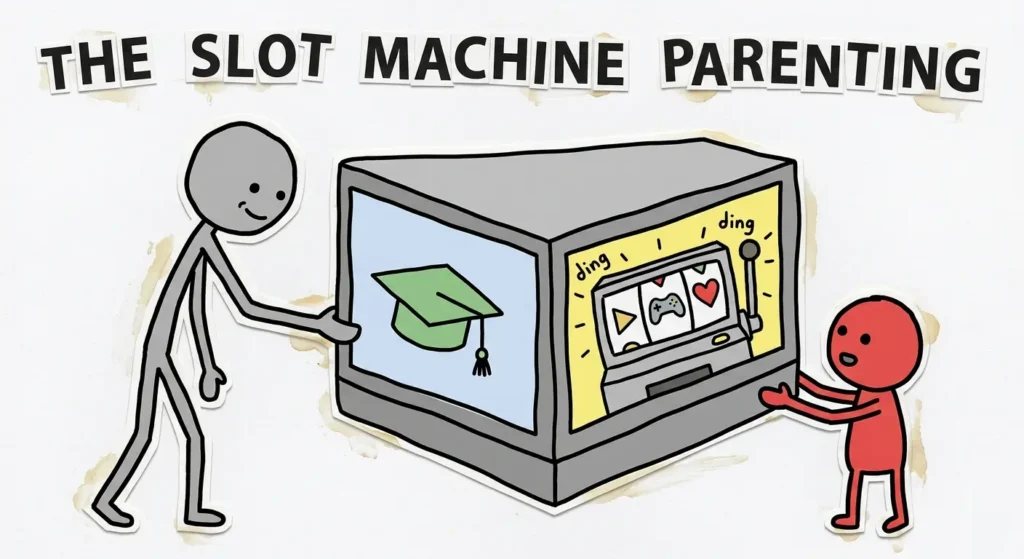
We bought expensive screens, thinking we were giving our children an educational advantage. In reality, we handed them a slot machine and hoped they would learn math.
If you are wondering whether screen time is bad for children?
The answer is not a simple yes or no. The real problem is how we are using it. Right now, the phone is not a superpower. It is a digital babysitter.
In this, we will explore the real answer.
The Real Screen Time Effects on Children (And Why It’s Dangerous)
The worst effects of screen time on children are not about weak eyesight or poor sleep. The real danger is what mindless watching does to their brain.
The human brain is lazy by design.
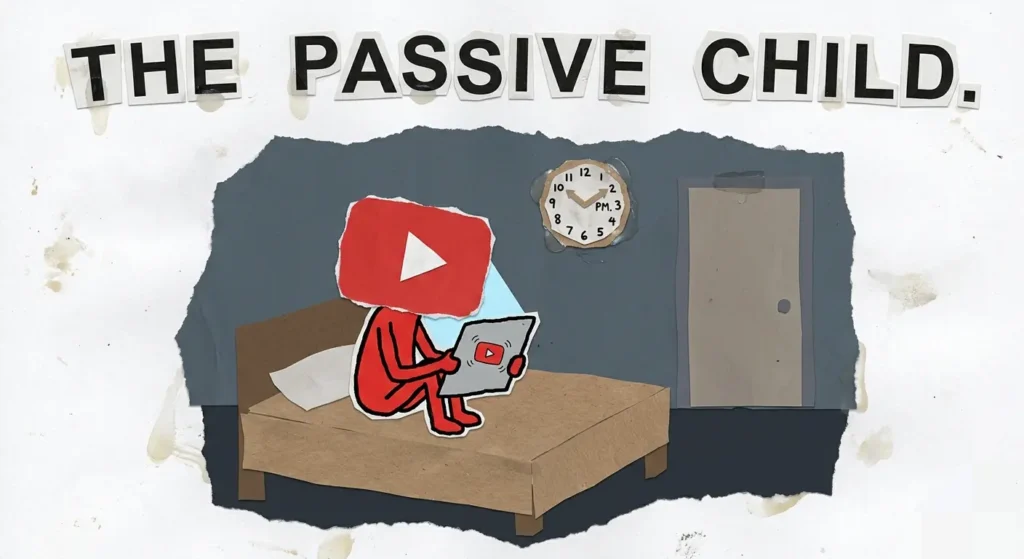
If a child has to choose between doing the hard work of solving a math problem or the easy fun of watching a YouTube video, the video will win every single time.
When a child uses a device just to be entertained, their brain gets used to getting a reward without doing any actual work.
A quiet child staring at a screen usually just means the phone is winning.
We are taking the greatest learning tool in history and using it to turn our kids into passive watchers instead of active learners.
How to Reduce Screen Time Without Fighting
When parents finally see how much time their child wastes on a phone, their first instinct is to panic.
They take the device away, turn off the Wi Fi and force the child to sit alone with heavy textbooks.
This is a mistake. You cannot ignore technology in education. The future belongs to students who know how to use digital tools, ask AI the right questions and build things online.
If you ban the screen completely, you are putting your child behind everyone else. The problem is not the technology. The problem is the isolation.
A teenager’s willpower alone in a bedroom is no match for a phone designed by thousands of smart engineers to keep them scrolling. You cannot put a 13-year-old alone in a room with unrestricted internet and expect them to study.
How Digital Learning for Kids Actually Works
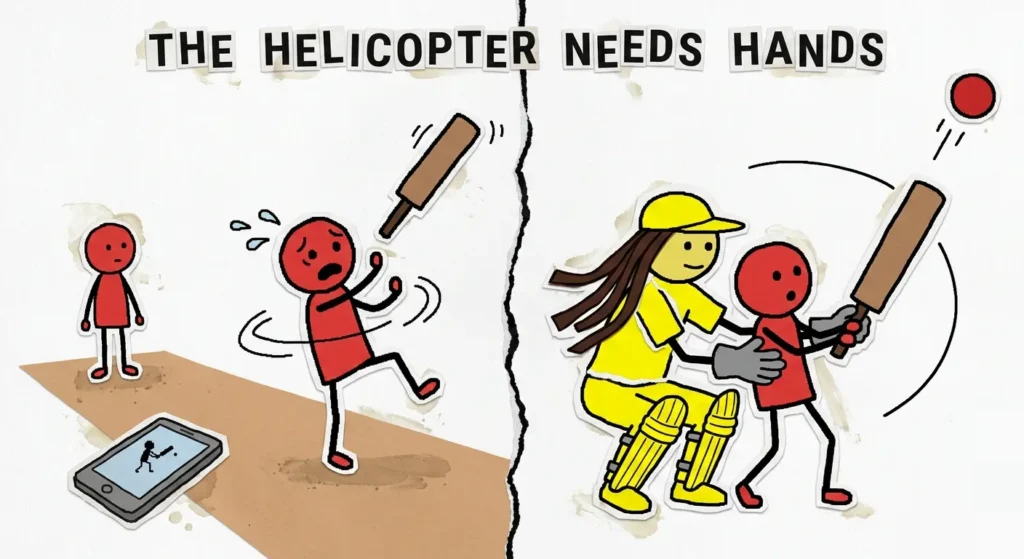
If you take a child bowling, you do not just hand them the heavy ball and let them throw it into the gutter twenty times. You put the side bumpers up.
The ball still goes down the lane, but the environment makes sure it hits the pins.
True digital learning for kids needs bumpers. There is a big shift happening right now in Indian education.
Instead of just giving a child an app and hoping they study at home, smart educators are changing the physical room itself. This is exactly why places like Apni Pathshala PODs are completely changing the role of technology in education.
When a student walks into a POD( btw we have 136 pods and 107 are currently running), using advanced digital tools like Eklavya AI.
Whether they are preparing for NEET or JEE, or sitting for the Maharashtra Board, the CBSE Board, or the UP Board, the system optimizes to their specific syllabus. It acts as a personal guide. But the environment is totally different from their bedroom.
The digital bumpers are up because the system blocks games and entertainment. The physical bumpers are up because the student is not alone.
They sit in a disciplined room with a human mentor and other focused students. If a student gets stuck on a hard physics concept, their brain naturally wants to quit and open a game. But they cannot.
The digital tool will not let them, and the physical room gently pushes them back to the hard work. They learn to sit with a hard problem instead of switching to something easy.
The Choice We Have to Make
The world is splitting into two types of students.
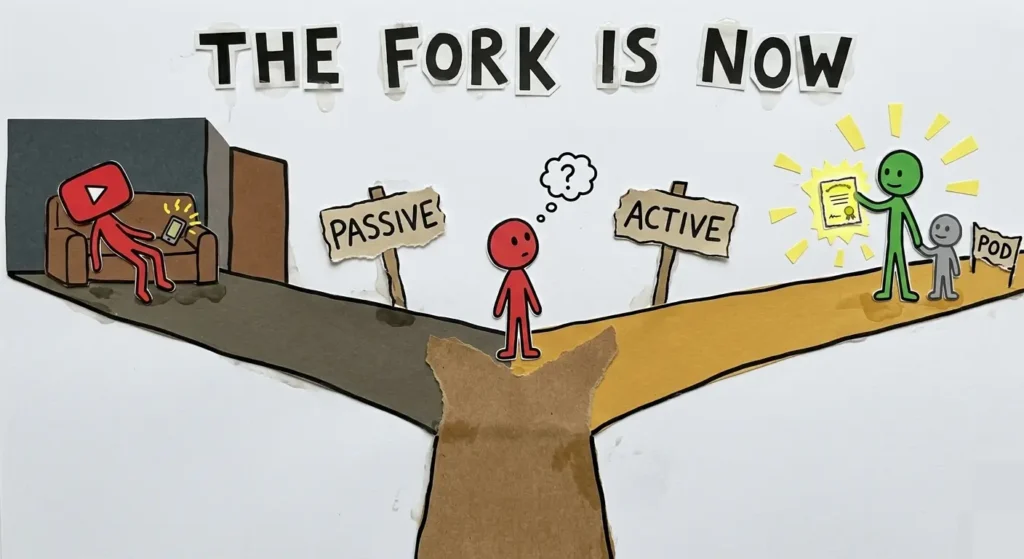
The tablet in your child’s hand is the same in both cases. The only difference is the physical room they sit in while using it.
Stop relying on your child’s willpower to fight the internet.
Put them in an environment that builds their future.
Frequently Asked Questions
1: What are the biggest myths about community learning centres?
Ans: That they are a charity. Those children will just play games. That’s free, which means low quality. All three are wrong, and 22,000 students across 22 states are the evidence.
2: How can parents support learning at home without knowing the subject?
Ans: Ask your child to explain what they learned today, as if you were ten years old. You do not need to understand the answer. The act of explaining is what builds memory. That question costs nothing and takes more than 3 hours of supervised study.
3: Are community learning centres just for underprivileged students?
Ans: They were built for communities the system forgot. But the model, personalised AI feedback, structured digital learning, and community-embedded access, is where all serious education is headed.