Imagine sitting in a packed tuition batch with eighty other kids.
The teacher is rushing through an NCERT math chapter on the whiteboard because the pre-boards are next month.
You have a doubt about the third step, but you stay quiet. You copy the steps into your notebook, go home and try to memorize them.
You are not learning. You are renting space in your brain for a syllabus.
Over two thousand years ago, Aristotle taught that every single thing in the universe has a Telos. A true purpose.
The Telos of a knife is to cut. The Telos of a student is to understand the world.
But the current Indian education system has forgotten this purpose. It forces you to just store information and print it out on an exam paper.
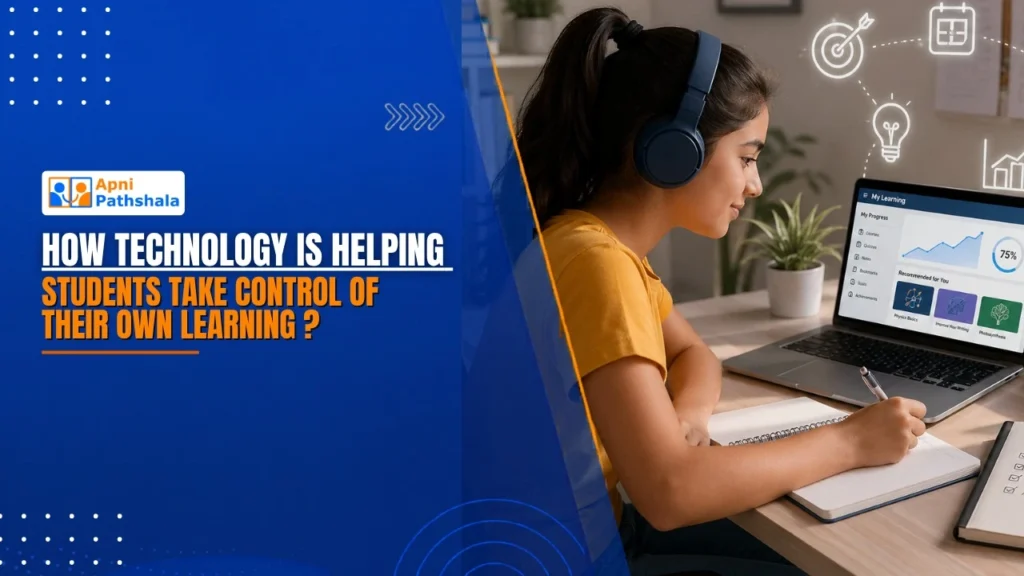
In this essay, we will look at how your natural potential is being trapped and how modern tools are finally giving you the power to break free.
The Trap of Actuality and Potentiality
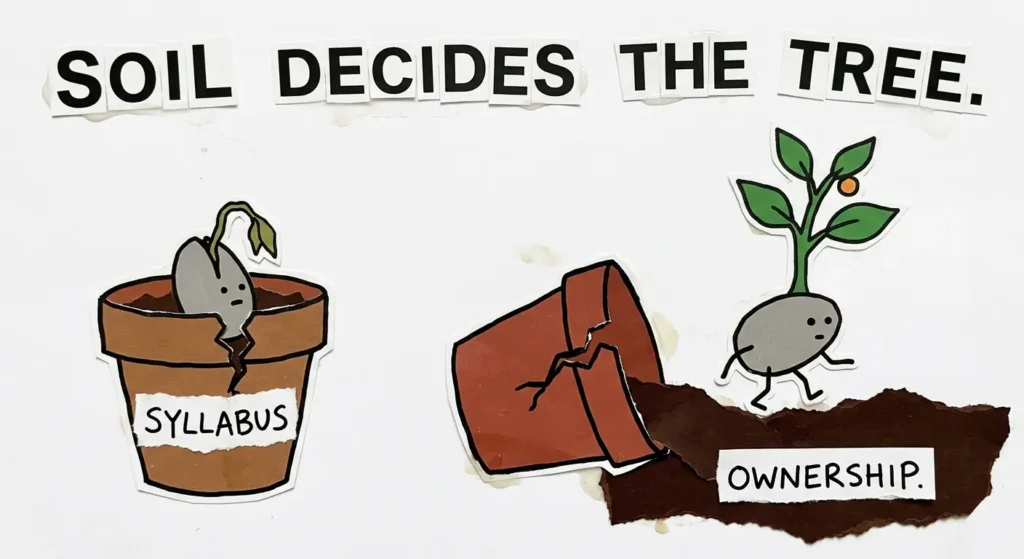
In philosophy, there is a concept called Potentiality and Actuality.
A seed has the potential to become a great tree, but it only actualizes that potential if it is given the right soil.
Indian students have massive potential.
A twelve-year-old can figure out how to fix a broken smartphone, bypass a Wi-Fi password, or master a complex video game without anyone giving them a textbook.
Why? Because they took ownership of that problem.
They wanted to know how it worked. But when that same student sits in a classroom, their potential dies.
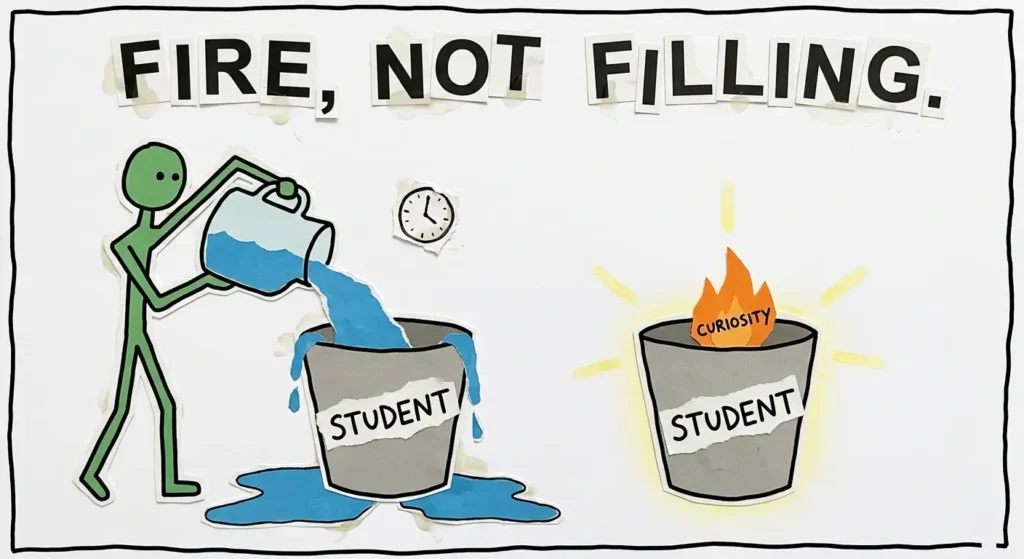
The system treats them like an empty bucket waiting to be filled. They do not own their education; they just rent it from the syllabus.
True student ownership of learning means realizing that your brain belongs to you and not your school.
You must stop waiting for a teacher to pour knowledge into your head and start hunting for the answers yourself.
The True Purpose of Technology
We must also look at the role of technology in education.
For years, schools thought that buying a two-lakh digital smartboard meant they were innovating.
Logically, this is false. A smartboard is just a glowing chalkboard. It does not change the Telos of the classroom.
The teacher still talks, and you still listen passively.
True digital learning in India should not just change how information is displayed. It must change who is driving the car.
True technology transforms you from a passive listener into an active interrogator of knowledge.
The Power of the Ultimate Guide
When you take ownership, you need a different kind of tool.
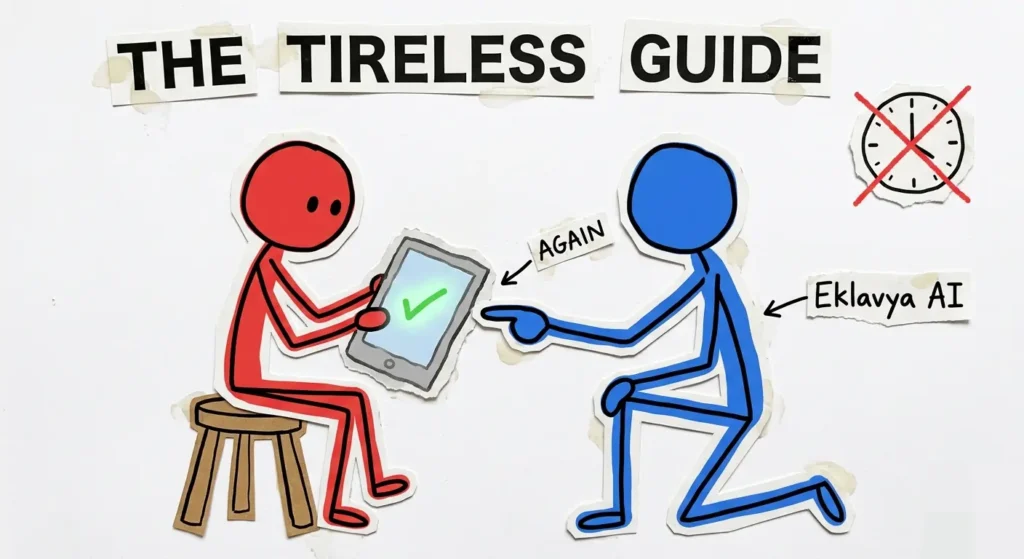
You do not need a lecturer; you need a tireless guide.
This is why modern self-learning tools for students, such as Eklavya AI, are so revolutionary. Think about how a human tuition teacher works.
If you ask a dumb question at half past ten at night, they might get annoyed. They might tell you to hurry up because the syllabus is long.
But an AI tool has no ego, and it never gets tired.
If you do not understand a physics formula, the AI stops and breaks it down using an example of a cricket ball.
You can ask it to explain the same step fourteen times, and it will patiently adjust its logic until your brain finally understands it.
You are no longer held back by human bottlenecks. You dictate the speed of your own mastery
The Danger of Extreme Freedom
Now, a logical parent will raise a strong objection.
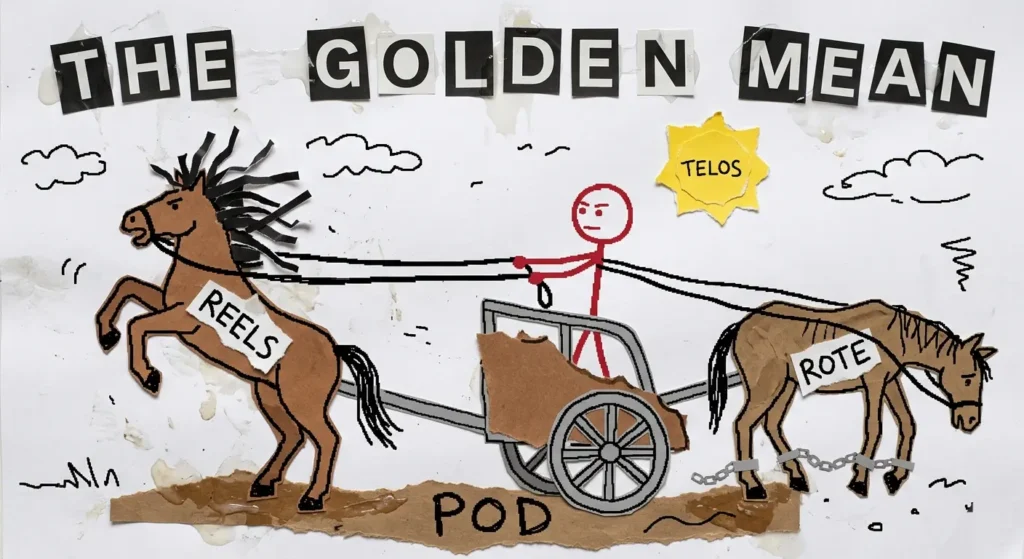
They will say that if I give my teenager a tablet and tell them to take ownership of their learning, they will not study.
They will just watch Instagram reels and play BGMI for five hours.
This is a very valid argument.
In my philosophy, we strive for the golden mean, which is the perfect balance between two dangerous extremes.
Extreme restriction kills curiosity. But extreme freedom leads to pure distraction and chaos. The golden mean is structured autonomy.
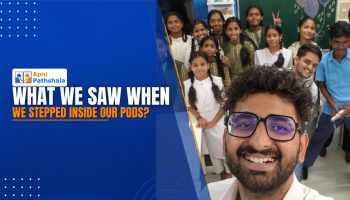
This is exactly why Apni Pathshala PODs were built.
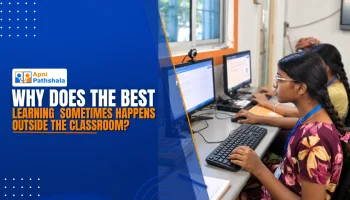
We do not just hand a student an app and leave them in isolation. We put them in a physical community centre.
They have access to limitless digital tools to learn at their own pace, but they sit in a room with a human mentor and ambitious peers.
The environment provides discipline while technology provides freedom.
It is the perfect philosophical balance.
CONCLUSION
The traditional system will happily let you sit in the back of a crowded tuition batch and memorize your way into an average life.
It will not save you. You have to save yourself.
If you are ready to stop renting your education and start owning your mind, you need to step into the right environment today.
Find your nearest Apni Pathshala POD or Apply to open a community centre and bring the perfect balance of technology and discipline to your own neighbourhood.
If you want to find the exact root cause of why self-education fails for so many students, read the dirty secret nobody admits about self-learning.
Frequently Asked Questions
1. How does Eklavya help students learn on their own?
Ans: Eklavya makes learning simple and structured, helping students understand topics easily and study independently without relying on coaching.
2. Why does self-learning fail for many students even with access to the internet?
Ans: Because students have access to content but no clear direction, leading to confusion, inconsistency, and shallow understanding.
3. How can I start a digital learning POD in my area?
Ans: Starting a POD is simple. You just need a small space, basic commitment, and the intent to help students learn. With the right support, guidance, and ready-to-use resources, you can create a local learning centre where students build digital skills and study independently.
4. How can digital literacy solve education challenges in rural India?
Ans: Digital literacy gives students in rural India access to quality learning beyond textbooks. With the right tools and guidance, they can learn skills, explore new opportunities, and build confidence, bridging the gap between limited local resources and global knowledge.