

The mark of a truly free student is simple. They get what they want out of life.
To do this, you must build digital confidence, know how to learn, how to earn, and most importantly, how to think
Your thoughts control your actions. They decide if you will achieve the big goals most people never even dream of.
But here is a harsh truth: The traditional school system does not want you to think.
People say the school system is failing. They are wrong.
It is working exactly as it was designed. It is a factory. It was built to make you memorize facts. It trains you to be a safe, quiet worker who asks permission to speak.
Why? Because if you just memorize, you never develop true awareness. You never learn to question things. You never question egoistic teachers. You never question politicians.
They do not want you to be so powerful that you figure out how the game actually works.
True digital literacy for students is not about learning how to type fast or use a mouse. It is about waking up. It is about building a free mind in a caged system.
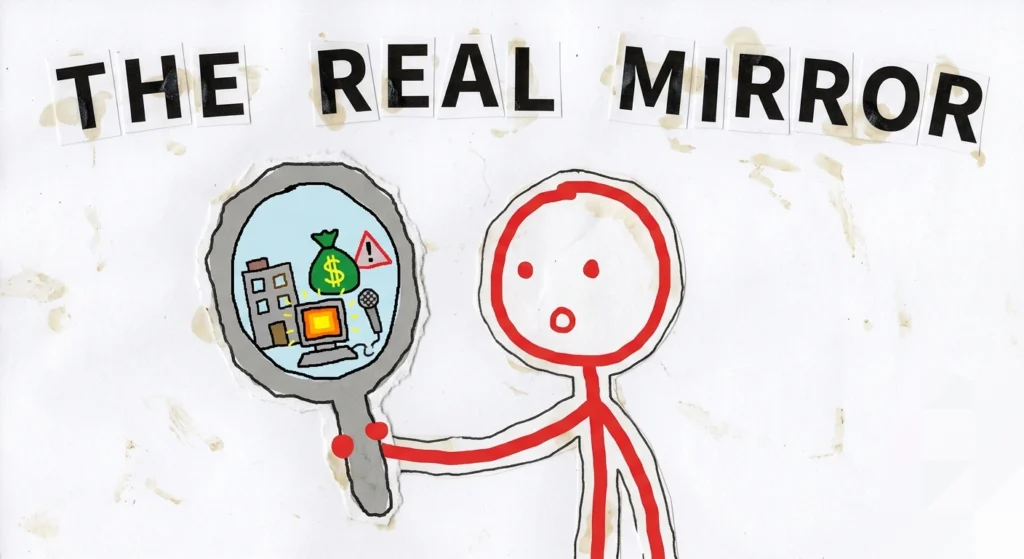
The Internet is a Mirror of the Unforgiving Real World
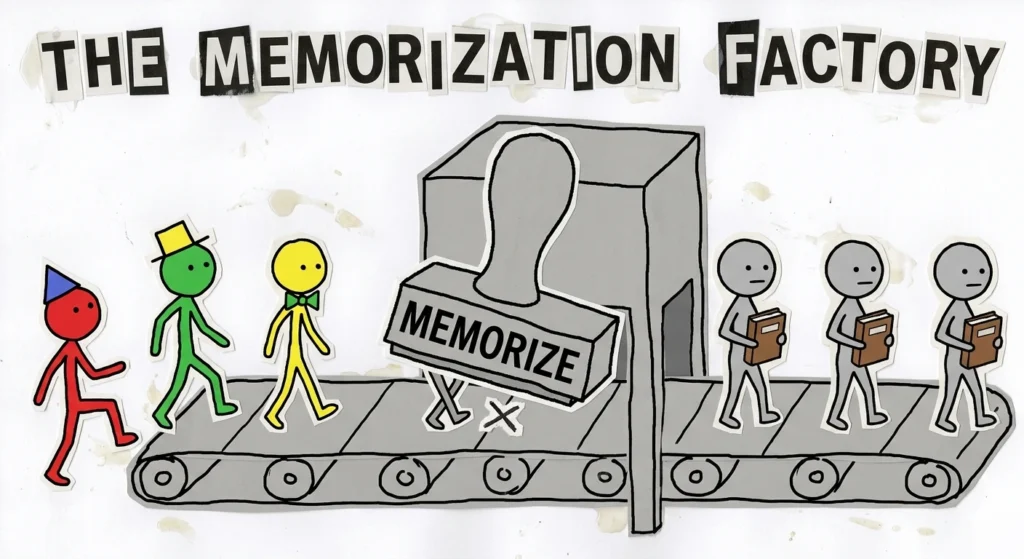
In school, the “smart” kid is the one who memorizes a textbook perfectly.
But in the real world, that kind of smart is actually a massive weakness. Dumb people often run laps around smart people because they take the risks that change their lives.
The internet reflects the harsh, practical reality of the actual world. It does not care about your test scores.
Today, new AI tools can create hyper-realistic fake images and videos in seconds. Anyone can make up a story and push it online. If a student only knows how to memorize what is put in front of them, they will believe every piece of fake news they see.
The most important technology skills for students start with critical thinking. You must know how to sift through the noise, the stress, and the fake information to find the actual truth.
This is where adaptive tools like Eklavya AI completely change the game.
Instead of an egoistic teacher forcing a student to memorize one “right” answer, Eklavya AI acts as a patient, 24/7 digital mentor. It does not spoon-feed answers.
It forces the student to ask “why.”
It breaks down problems step-by-step until the student discovers the core logic for themselves.
The Rule of 5: Curating Your Digital Diet
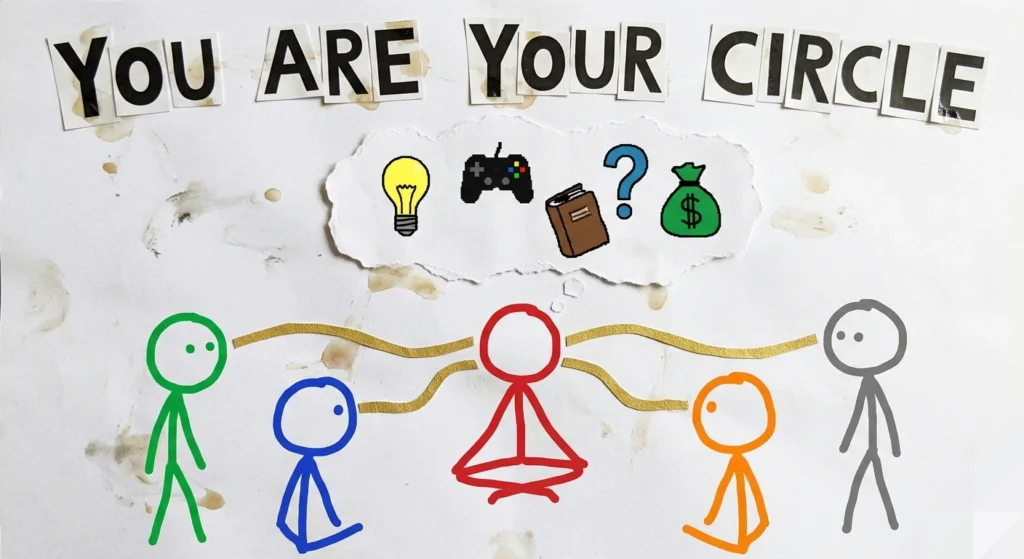
You have probably heard this rule: you are the average of the five friends you spend the most time with.
The internet makes this rule one hundred times more powerful. Your mind becomes what you consume.
If your child is constantly consuming mindless videos, funny dances, and low-quality entertainment… their mind becomes chaotic. Their brain turns to mush.
But what if you change the input?
What if you curate your feed to listen to high-minded thinkers like Naval Ravikant or Dan Koe?
Suddenly, your child gains access to the exact mental frameworks that elite students around the world use to excel. They start to understand business, philosophy, and wealth.
You must stop being a passive consumer of trash. You must become an active creator of knowledge.
“Vibe Coding” and the Skills Schools Will Ignore
Schools are built to make you memorize history dates. They will not teach you the most important skills of the internet age for the next 100 years.
What are those skills? Marketing and persuasion.
I do not just mean sales. I mean the ability to clearly share an idea and make people care about it. That is how you win on the internet.
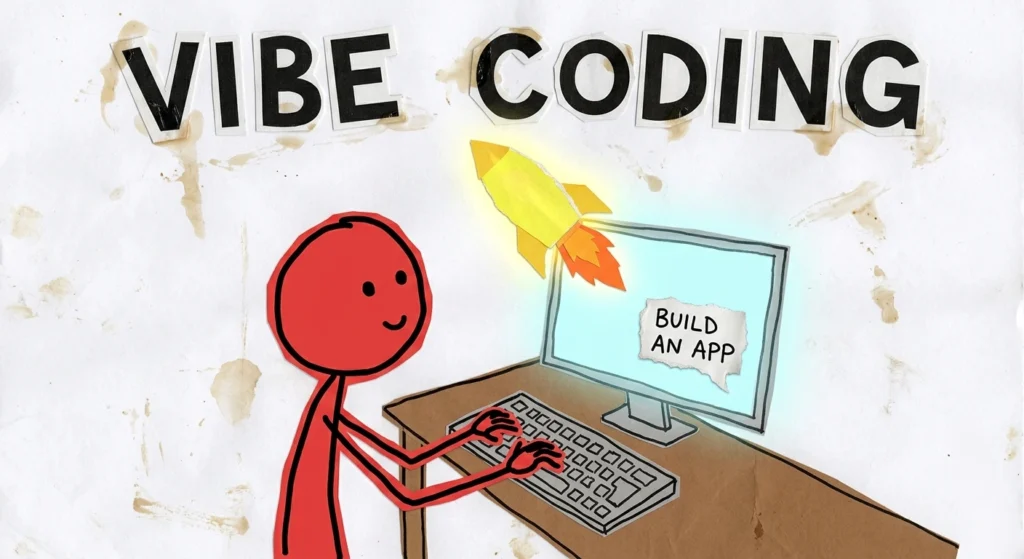
The era of needing to be a math genius to build software is over. We have entered the age of “vibe coding.”
Today, smart students are using AI tools like Lovable and Emergent. These tools let you build full software apps just by typing simple English words. You just tell the AI what you want, and it builds the code for you.
Inside Apni Pathshala community spaces, we are seeing this shift happen in real-time.
- Students who have never written a line of traditional code are building their own digital solutions.
- This opens a massive door for creativity.
- It teaches students how to solve real problems and how to earn money on their own.
It gives them a massive, opportunistic edge that a traditional college degree simply cannot match.
The Apni Pathshala POD: A System for Deep Work
Most people end up in a life they hate because they cannot think of a way out. They are trapped in the cage of the system.
If you want to escape a cage, you need the right environment.
You cannot build a brilliant, billionaire-level mind in a noisy room full of distractions. You need a space designed for deep focus.
This is why we built the Apni Pathshala PODs.
A POD provides the physical space for genius-level thinking. It is a quiet room with fast internet, locked-down computers, and the exact digital confidence needed to do deep work.
It removes the endless distractions of the smartphone.
Most importantly, it pairs technology with local human mentors. These mentors guide students away from blind memorization and push them toward absolute clarity.
The mark of a free individual is clarity. Are you ready to help your students find theirs?
Partner With Apni Pathshala: The future of education is decentralized, and we are looking for visionary partners to build it. Apni Pathshala is officially open for collaboration with CSR funds, NGOs, and local leaders. Let’s build a POD in your community today. Contact us to start the conversation.
Want to see the data behind why decentralized software environments accelerate focus and retention? Read our deep dive here: Why Some Students Grow Faster With Online Learning. Read here
Frequently Asked Questions (FAQs)
Q1: What is an Apni Pathshala POD?
Ans. A POD is a quiet, distraction-free room in a local neighborhood. It provides locked-down computers and fast internet so students can focus purely on self-study and building real digital skills.
Q2: What is “vibe coding”?
Ans. Vibe coding is the new way to build software using AI tools instead of learning complex math and code, you use simple English words to tell the AI what to build, allowing for pure creativity.
Q3: Why is digital literacy more than just screen time?
Ans. Basic screen time is just consuming entertainment. True digital literacy is learning how to think critically, spot fake news, protect your data, and use the internet to earn and build things.
Q4: How do we protect students from fake news?
Ans. We protect them by teaching critical thinking through tools like Eklavya AI. Instead of telling them what to memorize, we must teach them how to question information and find the actual truth online.

5 Responses
nice blog, but i need detail explaination about how to teach digital literacy step by step guide.
Thank you for reading and sharing your feedback. That’s a very useful suggestion. We’ll try to bring a simple step-by-step guide on teaching digital literacy in our upcoming content.
Well written! Technology creates opportunities, but confidence is what helps students make the most of them.
Thank you so much! Absolutely, technology opens the door, but confidence helps students walk through it and use those opportunities in the right way.
A timely reminder that digital confidence is an essential life skill today. The focus on critical thinking, responsible technology use, and lifelong learning makes this an excellent read.