

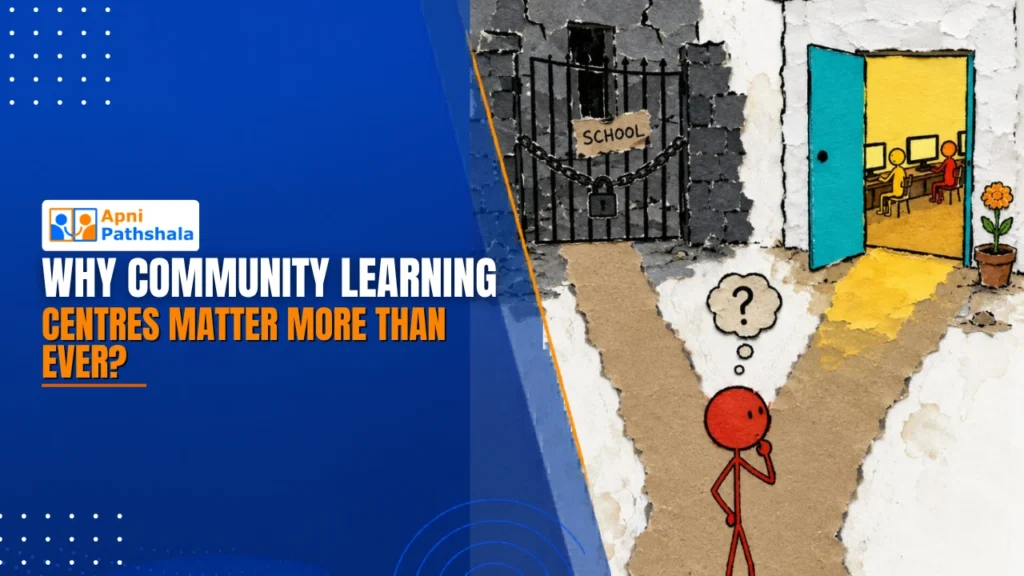
10 students from Bihar just cracked IIT.
Not from a Kota coaching centre. Not from a private school with AC classrooms and imported textbooks.
From a POD… a small community learning centre run by Apni Pathshala in one of India’s most educationally underserved states.
Read that again.
I saw it in our WhatsApp Group. 10 names. 10 students. All from PODs. All IIT.
If that doesn’t make you think about what environment actually does to a student… nothing will.
How Peer Learning Environments Shape Student Success
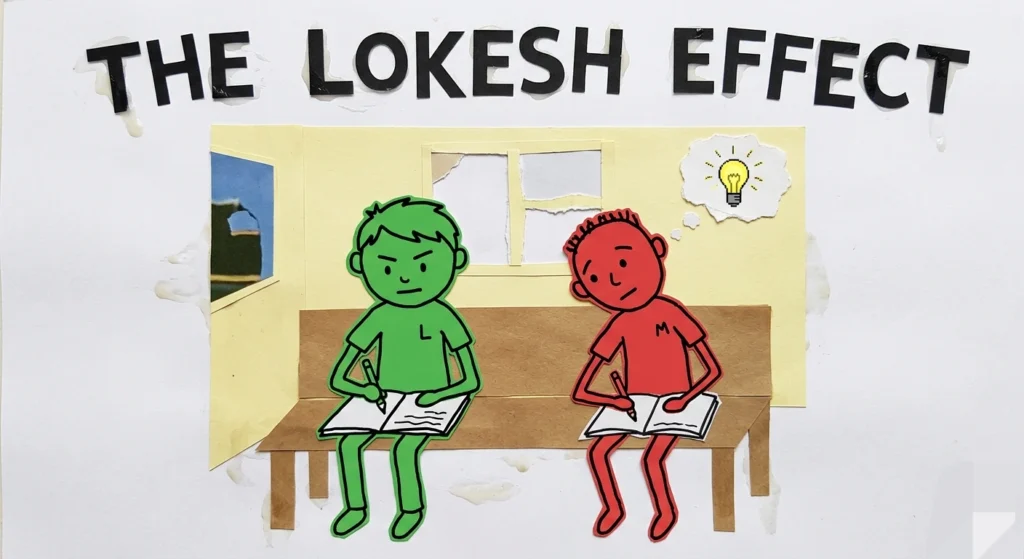
I was in 5th standard. Not a good student at all. My teacher moved me next to Lokesh, the class topper.
I never beat Lokesh. Not once.
But I beat everyone else.
Nobody gave me extra classes. Nobody changed my syllabus. My teacher just changed my seat. That’s it.
And something shifted… not overnight, but over months. Lokesh didn’t tutor me. He just sat there, focused, working. And I started working too.
We are the average of the five people we spend the most time with.
Most people have heard this about careers or friendships. Almost nobody applies it to education.
The real difference between IIT and an average college isn’t the faculty. Faculty can be good at other colleges too… IITians will tell you this themselves.
It’s the peer group.
When everyone around you is working hard, thinking bigger, pushing further… you either rise to match it or you feel the gap every single day until you do.
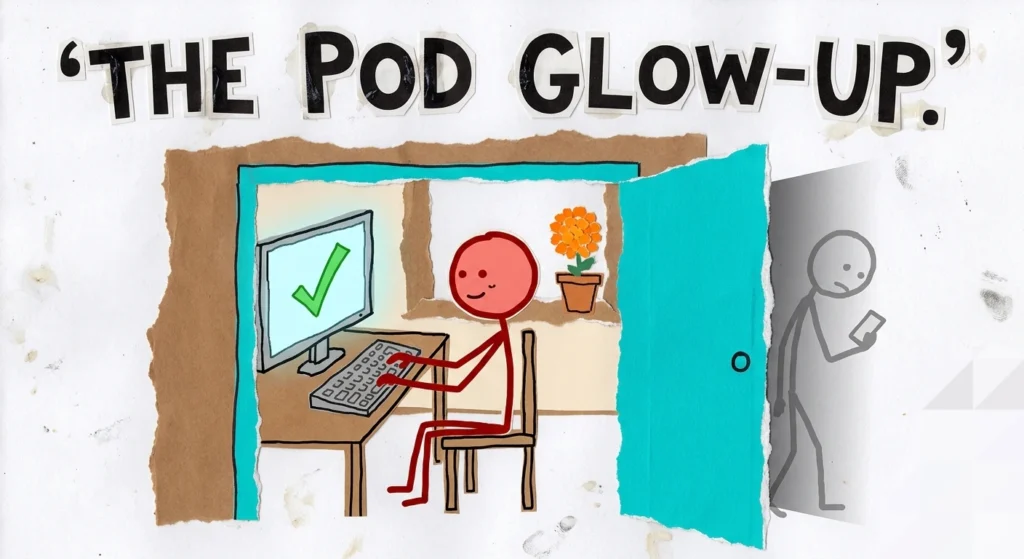
PODs work on exactly this principle. Put a distracted student in a room with focused, disciplined peers for five months. Don’t lecture him about motivation.
Just change his environment. Watch what happens.
Why Can’t Schools Alone Close India’s Digital Skills Gap?
Most classrooms in India still don’t have working computers. Digital skills aren’t in the curriculum in any real way. And the students who learn them are almost always the ones whose parents already have them.
Everyone else falls behind. Quietly. Without anyone noticing until it’s too late.
The digital divide isn’t just a connectivity problem. It’s a structured access problem.
92% of jobs now require some form of digital literacy, pulled from 43 million job postings. And notice what I said… Not tech jobs. All jobs. And yet a third of the workforce has no real digital skills to speak of.
The school system didn’t build a bridge between students and that reality.
Community learning centres did.
Why After-School Learning Spaces Matter for Students?
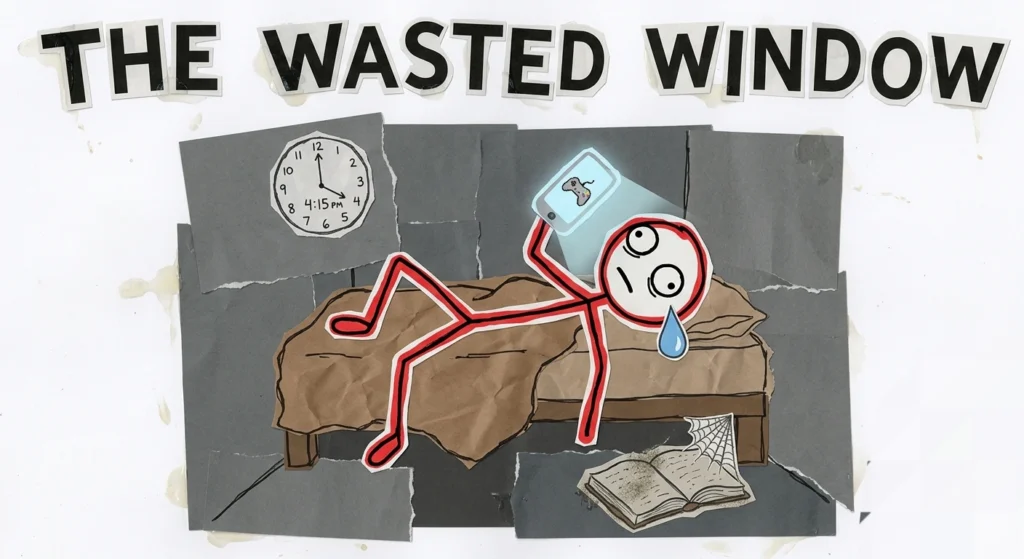
3pm to 7pm is the most wasted window in a student’s day.
School is done. Homework takes an hour. The rest gets swallowed by phones, TV, aimlessness,
This is when community learning centres do their best work.
- No exams.
- No pressure.
- Just a room, a screen, a peer group, and skills that actually matter- digital literacy, basic computer use, STEM fundamentals, and research skills.
Afterschool enrichment done right doesn’t feel like more school. It feels like getting ahead. Ahead of others. Ahead of traditional syllabus
And that window, used consistently over months, is where the compounding starts.
How Community Learning Centres Use After-School Hours Effectively
Apni Pathshala runs 107 PODs across India, in communities where students have no computer at home, no digitally literate parent to learn from, and no structured space to develop the skills that employers now take for granted.
A student who walks into a POD gets the following:
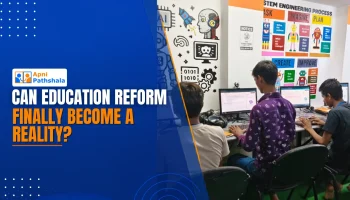
- A working computer and real internet access
- Guided learning in typing, email, documents, online research, and digital safety
- Peers who are showing up, every day, to work on the same things
- A community that treats their development seriously
That last one matters as much as the rest.
Graduates with AI and ML skills now have an employability rate of 48%. Skills in data analysis sit around 39%.
These aren’t outcomes from elite institutions. They’re what happens when any student gets consistent, guided access to digital learning and a room full of people taking it seriously alongside them.
AND AT LAST
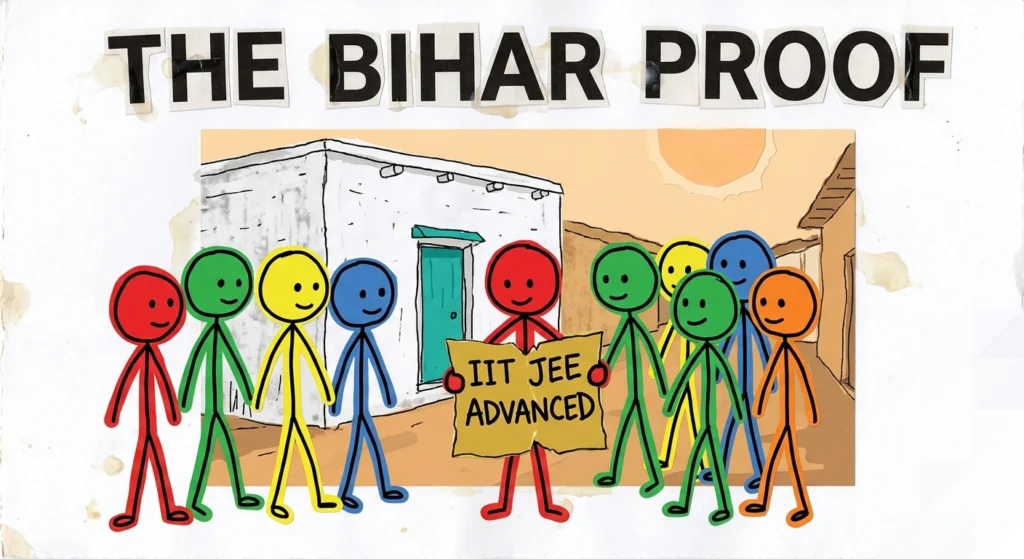
10 students from Bihar just proved what’s possible when you give the right environment to students who were never going to get it from the system.
Don’t believe in me.
Read the full blog here and find it by your own know more.
Frequently Asked Questions
1. What is a community learning centre?
Ans: A community learning centre is a local space, outside of school, where students get access to computers, digital skills training, and structured learning support. Apni Pathshala’s PODs are community learning centres built specifically for students in underserved areas across India.
2. How is a POD different from a tuition centre?
Ans: A tuition centre focuses on exam prep and syllabus revision. A POD focuses on skills, digital literacy, computer basics, and practical tools that matter beyond school. The environment is also different. PODs bring together students who are all building something, not just cramming for a test.
3. How do I find or support an Apni Pathshala POD?
Ans: If you’re a student looking for a learning space near you or a community leader who wants to bring a POD to your area, visit Apni Pathshala.
3. Can digital access change a student’s future?
Ans: Yes. With the right guidance and practice, digital access can help students learn new skills, build confidence, and discover better opportunities.

5 Responses
It’s sounds cool and I really like CLCs concept but i also like old indian gurukul concept too.
Thank you so much. Yes, Gurukul learning had strong values, and CLCs are our way of bringing that same community learning spirit into today’s digital world.
Excellent read. Community learning centres are proving that environment plays a major role in student success.
Thank you so much. We truly believe that the right environment can significantly impact every student’s learning journey.
A very meaningful blog. Community learning centres are truly important because they give students the right environment, digital access, peer support, and confidence to grow beyond regular classrooms.