

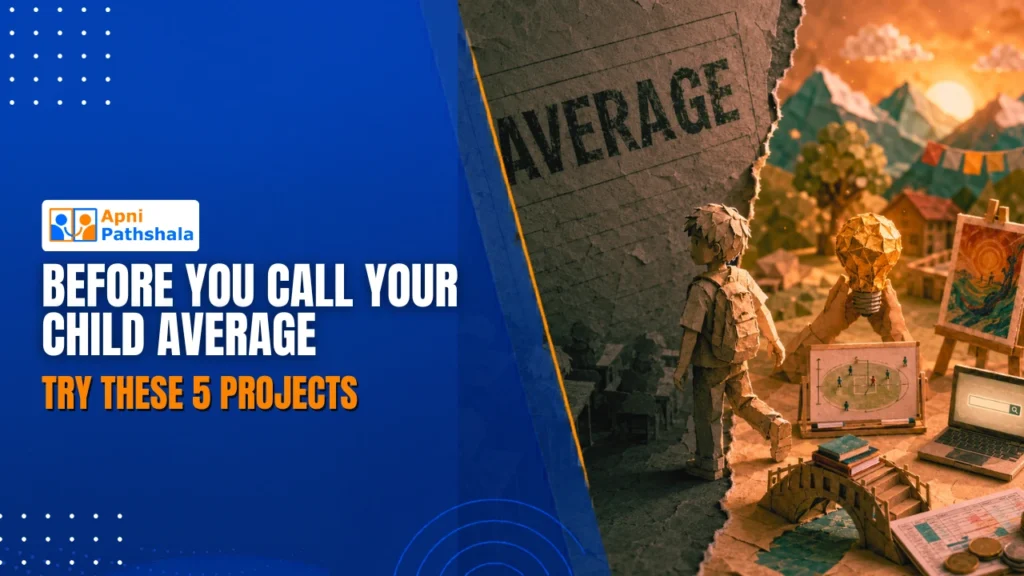
When I was younger, I thought intelligent children were easy to identify.
They answered before the teacher finished asking. They scored above 90%, sat near the front, and had report cards that travelled through family WhatsApp groups like public announcements.
I respected them because everybody else had already decided they were the smart ones. The thing is, I never knew where that left everyone else.
There was always one child who could repair a charger, understand a new game in ten minutes, or organise the entire cricket match while everyone else argued over teams.
None of that appeared on the report card.
I did not think marks were useless. I was confused by how scores from a few subjects became a judgement about an entire person.
I began questioning this after I made a small YouTube channel about Marvel and DC. The videos were terrible.
Bad editing. Random images. Questionable audio.
But making one video forced me to research, write, collect visuals, edit, and publish something another person could judge.
School had never asked me to use those abilities together. The project pulled them out.
Maybe your child is similar.
Maybe they lose interest during homework but spend two hours fixing one video. Maybe they struggle with exam answers but can explain every cricket statistic to someone who knows nothing about the sport.
So before you call your child average, give them five better tests.
Watch for Three Signals
A parent can turn almost anything into another exam.
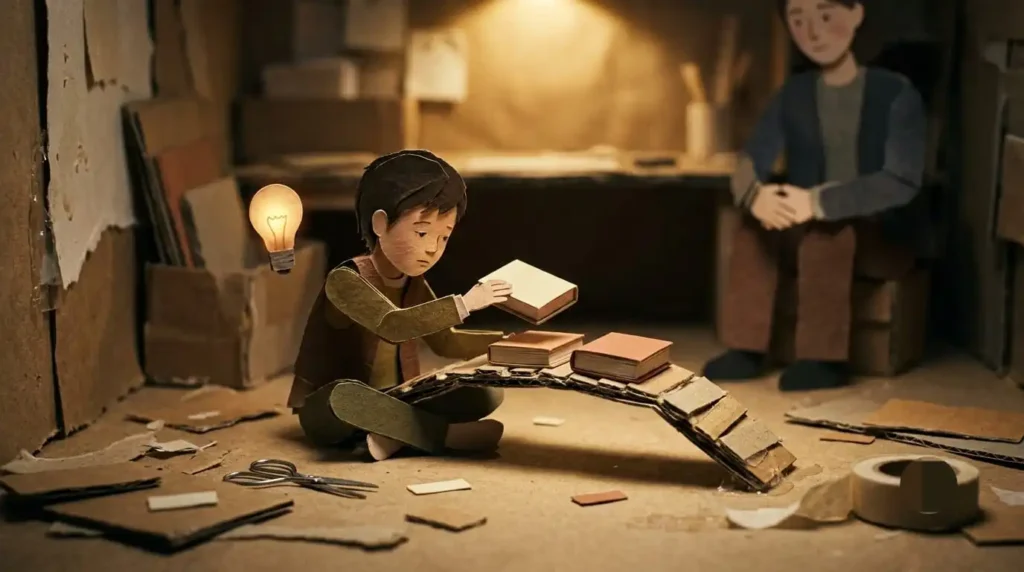
You can give a child cardboard, ask them to build a bridge, then spend forty minutes correcting every choice.
Instead, watch for three things.
- Progress: Do they understand quickly or improve after one attempt?
- Energy: Does the work wake them up?
- Return: Do they continue without being pushed?
One good result proves little. A stronger clue appears when all three begin showing up together.
1. Build Something That Must Work
Give your child cardboard, tape, scissors, and three books.
Challenge them to build a bridge that can hold all three books for ten seconds.
Do not show them a tutorial. When it falls, watch closely.
Do they inspect the weak point? Repeat the same design? Change one part? Blame the tape as if it has betrayed the family?
The collapse matters more than the bridge.
Ask:
“What made it fall?”
Then stay quiet.
The project may reveal patience, spatial thinking, experimentation, and how the child responds when their first idea fails.
2. Ask Them to Teach Something
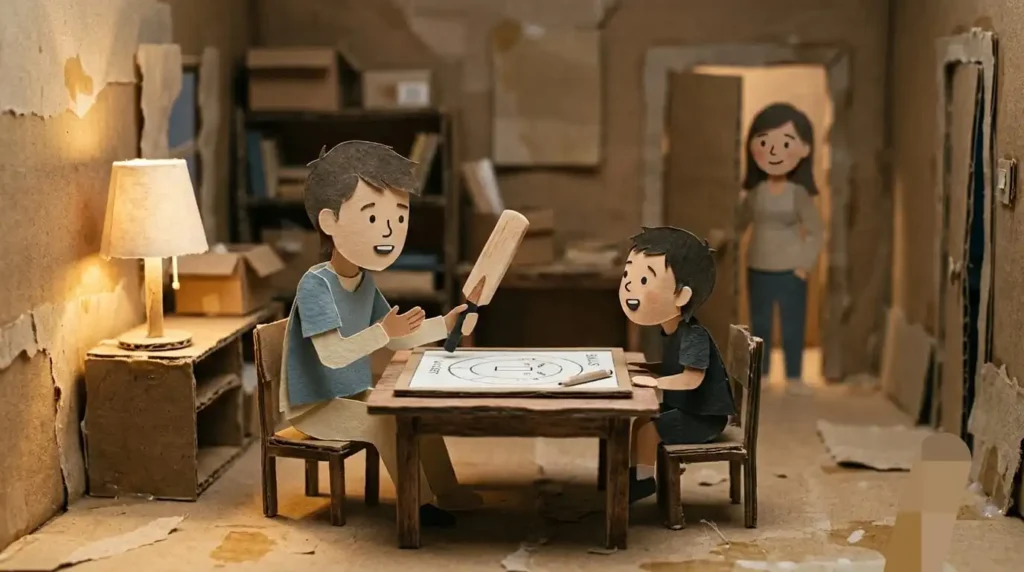
Choose something your child already understands. It could be a cricket rule, a phone feature, a game, or one school topic.
Ask them to teach it to a younger child in three minutes.
- Do they organise the explanation?
- Use examples?
- Notice confusion?
- Can they explain the same idea differently?
Do not judge their accent or grammar. Judge whether another person understood.
Your child may look quiet in class but can completely different when explaining something they genuinely know.
3. Let Them Create for a Real Person
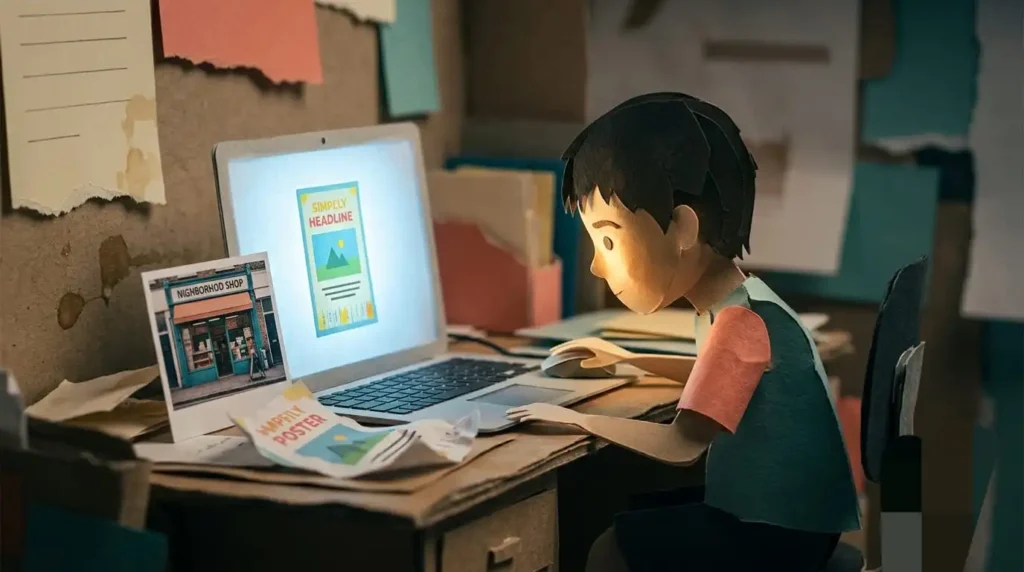
Ask your child to make one useful thing:
- a digital invitation
- a poster for a nearby shop
- a one-minute explainer
The work must reach a real person.
Now the child has to think about whether someone else can understand or use what they made.
Watch what absorbs them. The words? The layout? The colours? The story? The editing?
Do they ask for feedback? Do they improve the work afterward?
Please do not redesign it because the font has offended you. The work must remain theirs.
4. Give Them ₹700 and a Real Plan
Ask your child to plan a family evening for four people within ₹700.
They must decide the activity, food, transport, timing, and backup plan.
Planning sounds easy until every choice starts consuming money. Transport damages the food budget. One person wants pizza. Another refuses to leave the house.
Good. Constraints make thinking visible.
Do they compare options? Remember what other people need? Change the plan when the numbers fail?
Do not increase the budget. The struggle is part of the project.
5. Give Them a Question With No Ready Answer
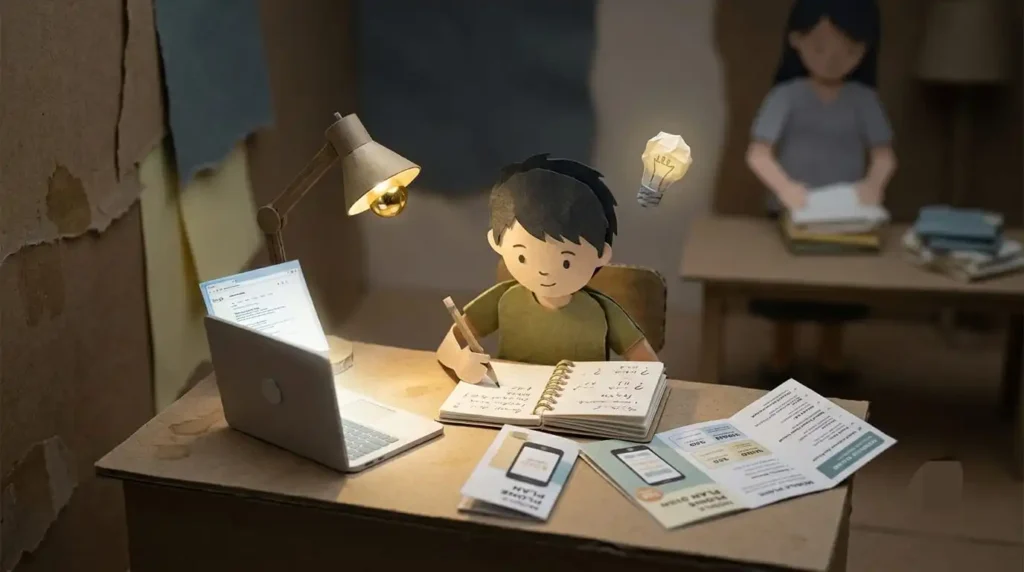
Ask your child to investigate something your family can use.
- Which mobile plan gives the best value?
- Which free study app suits a beginner?
- How could your home reduce electricity use?
Ask for a one-page recommendation.
The internet will give them hundreds of confident answers. Some will be advertisements wearing the costume of advice.
Do they compare evidence? Notice missing information? Change their view after finding something stronger?
Do not reward the answer you wanted. Reward the thinking that produced it.
Do Not Turn Clues Into Labels
After five projects, you will want a conclusion.
The child makes one good poster, and suddenly the family has appointed a future designer. The bridge survives, and engineering preparation begins on Monday.
Slow down.
After every project, record:
| Check | Ask |
| [ ] | Which part did you enjoy most? |
| [ ] | Which part was difficult but still worth doing? |
| [ ] | Would you choose something similar again? |
You are collecting evidence. You are not selecting their career.
Use the Full 14 Days
Run one project every two days during the first ten days.
On Day 11, let your child choose one project to repeat
On Day 12, ask another adult what they noticed.
On Day 13, circle repeated patterns.
On Day 14, choose one possible strength for a deeper thirty-day project.
Communication could become five short explainers. Design could become a small portfolio. Research could become a useful family guide.
The thirty-day project is still an experiment. You are deciding what deserves another test, not what your child must become.
Give Them More Worlds to Enter
One home cannot provide every tool, mentor, or kind of project.
A child may never discover coding without a computer. They may never discover leadership without responsibility for something real.
That is one role an Apni Pathshala POD can play.
A POD should not decide what every learner must become. It should increase the number of meaningful things they can try.
Before calling a child average, ask:
Average at which task, inside which environment, after receiving which opportunities?
Marks show one part of performance. Projects reveal how a child learns, creates, handles difficulty, and chooses to continue.
Change the test. Then watch what becomes better.
Continue Reading
Read Why Does Apni Pathshala Need to Exist at All? to explore why young people need learning spaces that develop independent thinking and practical ability.
Help Learners Discover What They Can Do
Have space, devices, expertise, funding, or trust inside your community? Start or support an Apni Pathshala POD and give learners more meaningful things to try.
Frequently Asked Questions
1. How can parents identify their child’s strengths?
Give them different real projects. Watch for progress, energy, improvement, and voluntary return.
2. Can strengths remain hidden in school?
Yes. Teaching, planning, design, research, leadership, and practical problem-solving may not appear clearly in subject marks.
3. How long should parents observe?
Avoid deciding after one activity. Use repeated projects and a deeper thirty-day experiment.
4. How can an Apni Pathshala POD help?
A POD gives learners access to projects, tools, mentors, peers, and experiences that may not be available at home.




2 Responses
Wonderful perspective! Every child has unique strengths that marks alone can’t measure. Giving them opportunities to build, create, and explore helps reveal their true potential.
Thank you so much! Absolutely, every child has something special beyond marks. When they get the right space to explore and create, their true strengths naturally emerge.