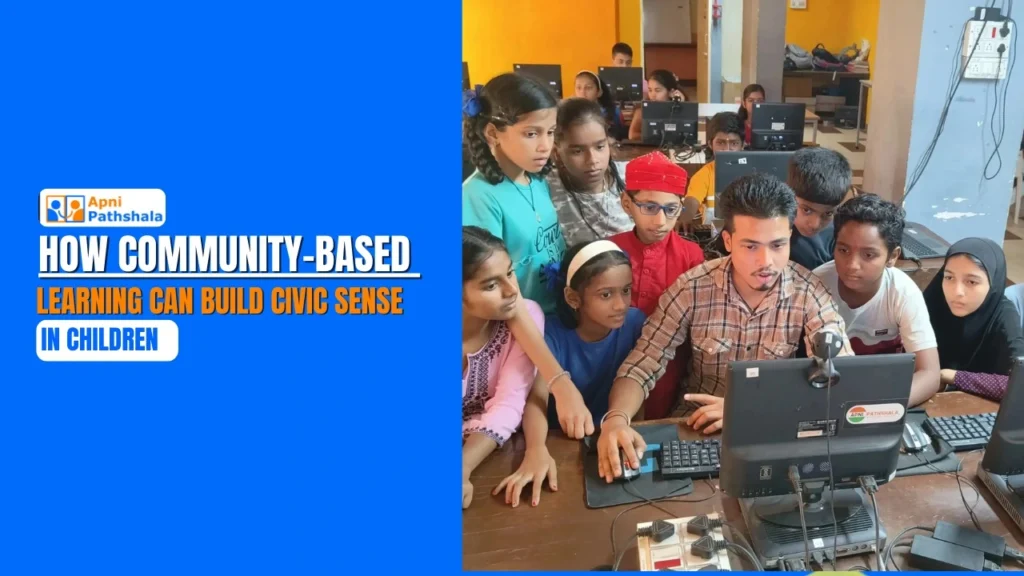
Children spend years in school preparing for exams. They memorize information, complete assignments, and work toward better marks. Yet an important question often remains unanswered: how often do students actually learn how to live responsibly within a community?
Education is not only about academic success. It is also about helping children develop qualities that shape them into responsible members of society. Values such as empathy, cooperation, responsibility, and awareness of others play a crucial role in building strong communities.
This is where civic sense becomes important.
Civic sense refers to a person’s awareness of their responsibilities toward society and other people. It includes respecting shared spaces, cooperating with others, and understanding how individual actions affect the wider community.
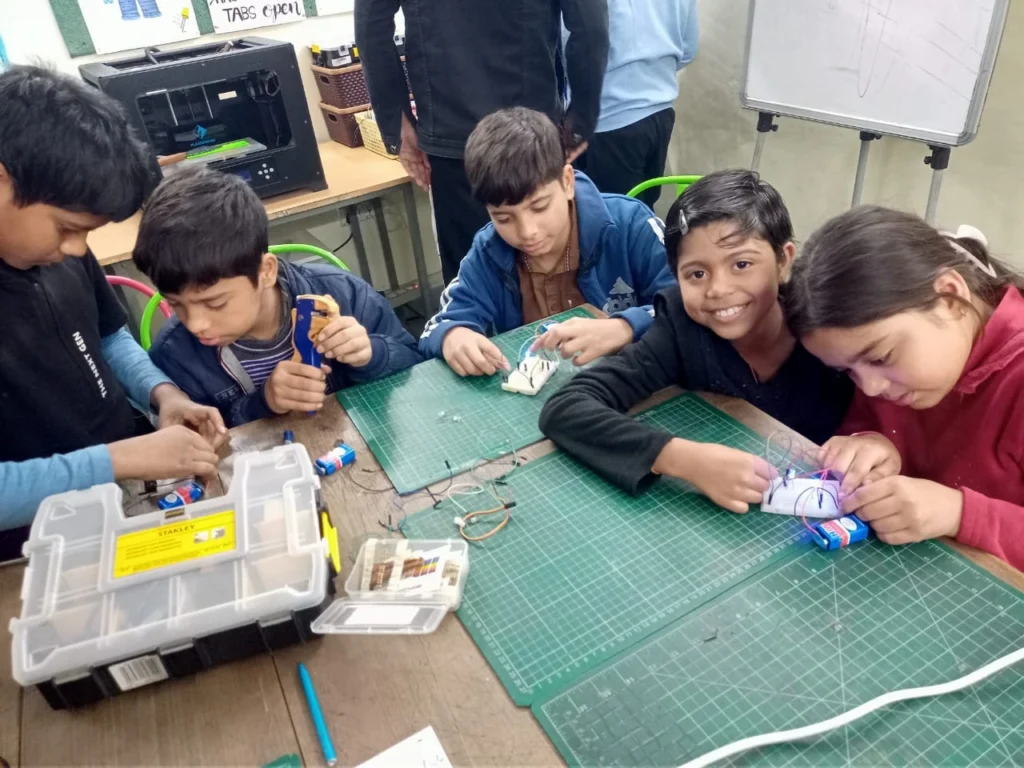
However, these qualities cannot be fully developed through textbooks alone. They grow when children interact with people, participate in shared experiences, and learn within real social environments.
Community-based learning creates environments where students learn together within their communities. Through collaboration, discussion, and shared learning experiences, they develop curiosity, responsibility, and awareness of their surroundings. At Apni Pathshala, this happens through Community Learning Centres (PODs), where students gather to explore ideas, learn from peers, and build practical understanding.
What is Community-Based Learning?
Community-Based Learning (CBL) is an educational approach that connects learning with real-life interaction and community participation.
Instead of focusing only on classroom lectures, students learn by working with peers, exploring ideas collaboratively, and applying their knowledge in meaningful contexts.
Learning becomes a shared experience rather than an individual race for marks.
In community learning spaces, students ask questions, explain concepts to each other, and explore topics together. This encourages curiosity, independent thinking, and collaboration.
Through Community Learning Centres, Apni Pathshala provides such environments where students can learn together using shared resources, peer interaction, and digital tools.
How Community-Based Learning Builds Civic Sense
1. Learning Through Community Interaction
When students learn in community environments, they become more aware of their surroundings and the people around them.
For example, in many learning centres, students sit together to solve problems, explain topics to peers, and discuss ideas openly. This shared learning environment encourages responsibility and mutual support.
Students gradually begin to understand that learning is not only a personal journey but also a collective experience.
2. Developing Empathy Through Peer Learning
Community learning brings together students from different backgrounds, abilities, and experiences.
When students help each other understand concepts or collaborate on tasks, they start recognizing the challenges faced by others. This interaction helps build empathy and respect.
Instead of constantly competing constantly for marks, students learn the value of cooperation and shared progress.
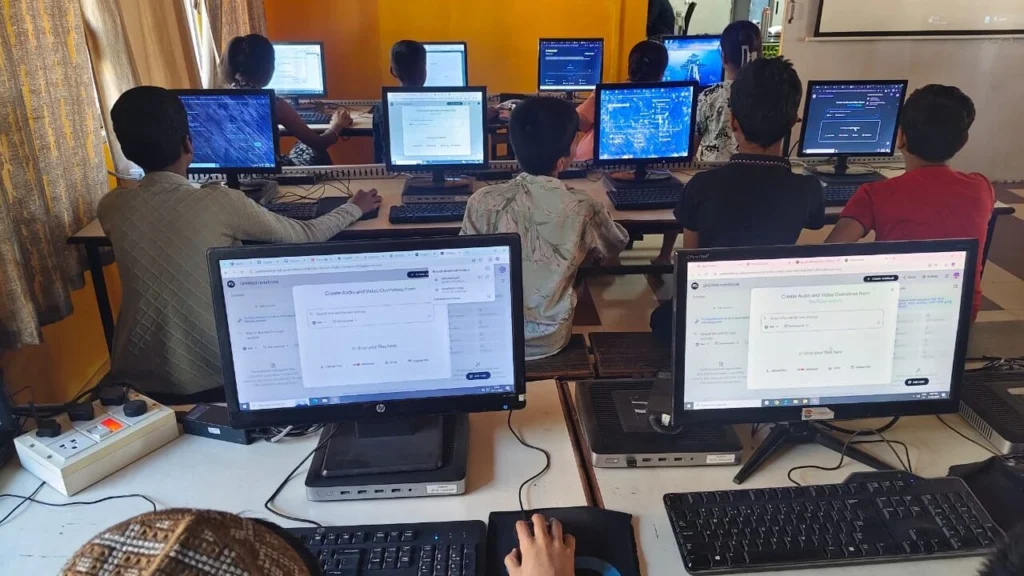
3. Responsible Use of Technology
Technology plays an important role in modern learning, but its value depends on how it is used.
In community learning environments, students use digital tools to explore information, learn new skills, and solve problems independently.
Rather than using technology only for entertainment, students begin to see it as a tool for learning, creativity, and knowledge discovery.
4. Building Leadership and Collaboration Skills
Community-based learning naturally encourages leadership.
In learning centres, students often take initiative by guiding peers, explaining concepts, or sharing knowledge they have discovered.
These small moments of leadership help students build confidence, communication skills, and teamwork abilities.
Over time, they develop the ability to collaborate effectively and contribute positively to group learning environments.
The Impact of Community Learning on Students
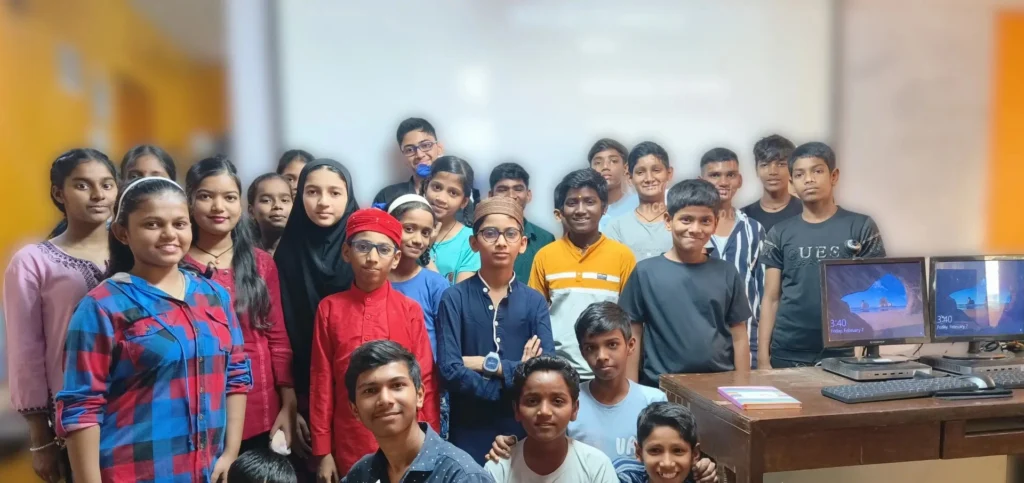
Community learning environments help students develop important life skills alongside academic knowledge.
Students gradually begin to:
- take responsibility for their learning
- support and collaborate with peers
- develop confidence through shared experiences
- explore knowledge independently using technology
These experiences shape students into learners who are not only knowledgeable but also socially aware and responsible.
The Future of Community Learning
Education systems around the world are gradually recognizing the importance of collaborative and community-based learning models.
Across India, community learning centres are opening new possibilities for students who may not thrive in traditional classroom systems. By combining peer learning, digital literacy, and collaborative environments, these spaces provide a new vision for education.
Apni Pathshala continues to expand this model through Community Learning Centres operating across multiple states, helping students access learning environments that encourage curiosity, responsibility, and collaboration.
Conclusion: Education Beyond Exams
Education should not only prepare students for exams, but it should also prepare them for life.
Civic awareness, empathy, cooperation, and responsibility are essential for building strong societies. These qualities cannot be developed through textbooks alone.
They grow when students interact, collaborate, and learn within real communities.
Community-based learning creates the environment where these values naturally develop.
When children learn together, support one another, and explore ideas collaboratively, education becomes more than academic achievement, it becomes preparation for responsible citizenship.
Real learning goes beyond classrooms and exams.
Discover how community learning environments are helping students build confidence, responsibility, and real-world skills.
👉“Discover simple ways to improve civic sense and bring real change in your surroundings.
Learn more about Apni Pathshala and Community Learning Centres:
What is civic sense and why is it important?
Civic sense refers to responsible behavior in public spaces. It is important because it helps maintain cleanliness, safety, and harmony in society.
Why are community learning centres important today?
Because many students lack access to quality resources and digital learning, which these centres help bridge.
What makes Apni Pathshala different from traditional education?
It focuses on practical skills, peer learning, and digital empowerment rather than only theoretical knowledge.
Why are many students confused after 12th?
Because they are given too many options but very little guidance on what actually matters, skills that are relevant in today’s world.