What is the best way to learn AI in 2026?
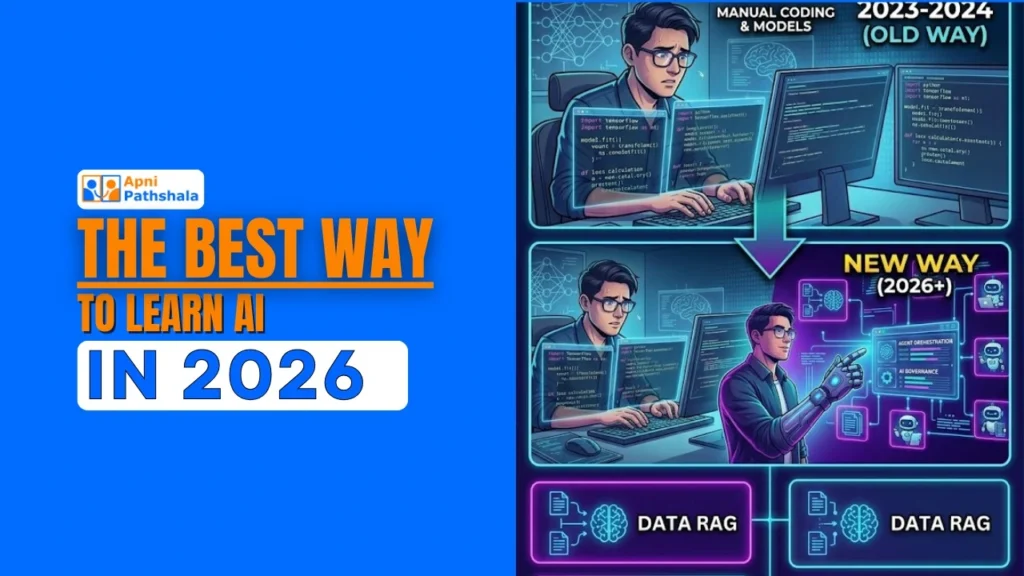
The best way to learn AI in 2026 is through community learning Pods. Instead of learning alone, you build real AI tools with a team. This forces you to finish what you start and makes it much harder to quit.
Let’s kill a myth right now: Learning AI is not a content problem.
You do not need another PDF, a $99 bootcamp, or a perfect YouTube roadmap. Content is everywhere. It is cheap. If watching videos made you an expert, anyone with Wi-Fi would be an AI engineer by now.
But what happens when you actually sit down to learn?
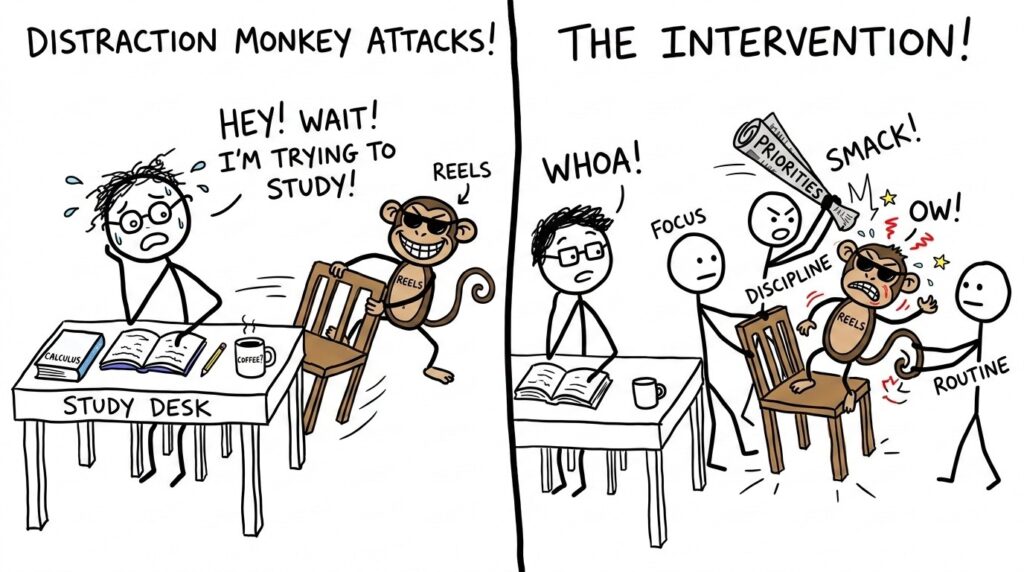
Picture this: It is 11:30 PM on a Tuesday. You are alone in your room. You have 14 tabs open. Your Python code just broke for the fifth time, and you have no idea why. You are tired. You feel dumb. So, you close the laptop, open Instagram, and tell yourself, “I’ll try again tomorrow.”
Sound familiar? Look, I’ve been there. We all have.
You didn’t quit because you aren’t smart enough for AI. You quit because your environment practically begged you to.
The Trap of Relying on Passion
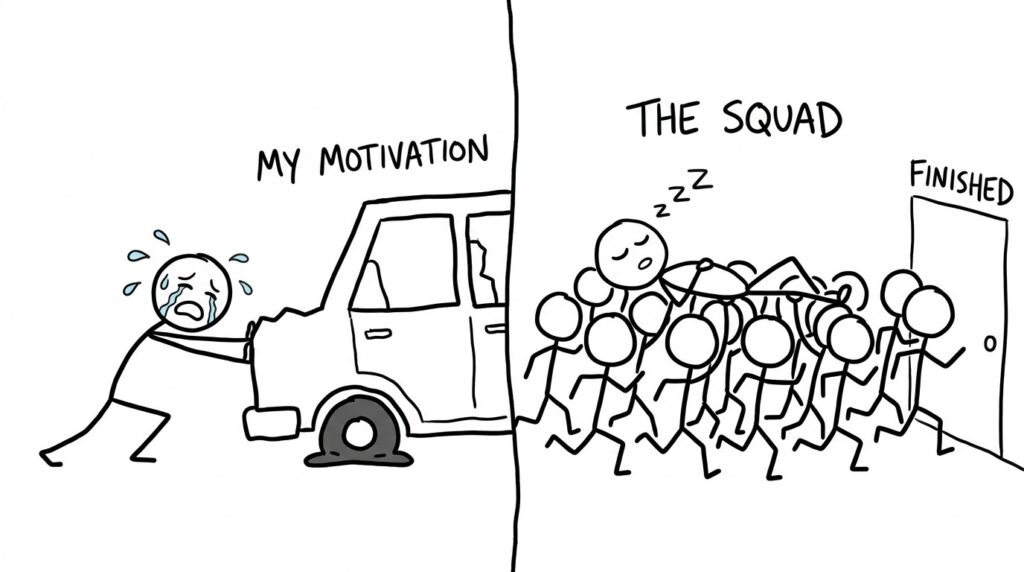
For years, schools and online platforms sold us a lie: If you just work hard enough, you will succeed.
This is a terrible way to plan your future. Relying on raw motivation to learn something as hard as AI is a huge mistake. Motivation drains. Willpower runs out.
When things get hard, the easiest thing to do is quit. When you buy a massive online coding course, the website already has your money. They don’t actually care if you finish. Stop trying to out-work a broken system.
The “Mohalla” Rule of Learning
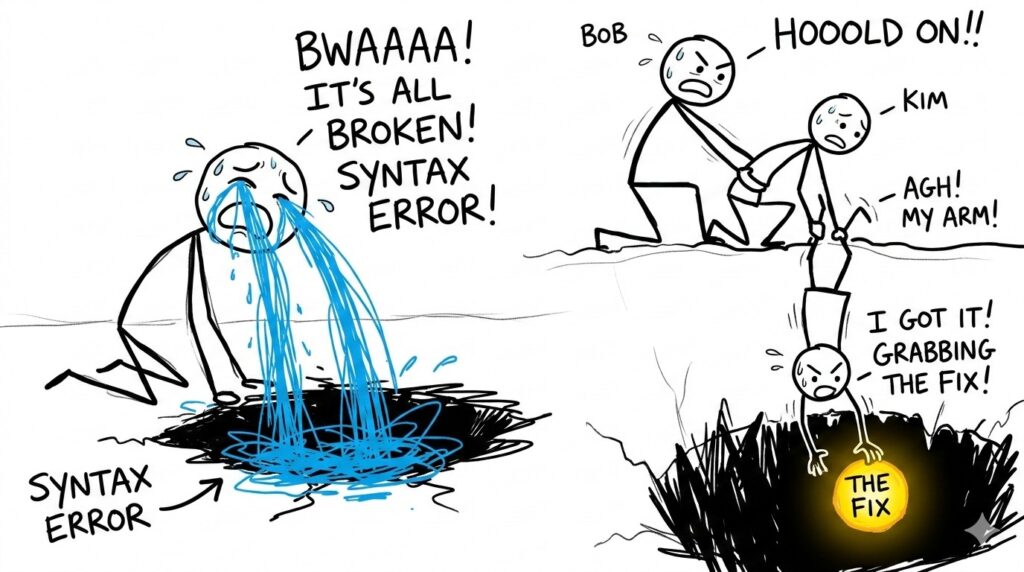
Think about a vibrant mohalla (neighborhood) in India. It is loud, messy, and alive. If your bike breaks down, three people immediately jump in to help you fix it.
Now compare that to being locked in a quiet, lonely apartment building where you don’t know anyone. If your bike breaks, you are entirely on your own.
Big online courses and stressful coaching hubs treat you like that lonely apartment. They lock you in a box with a textbook and tell you to fight it out alone.
Stop trying to out-willpower a poorly designed environment.
Learning AI is a team sport. You don’t need a better syllabus. You need a better neighborhood.
Enter the Pod: Why Environment Beats Willpower
This is how serious systems work. We don’t pray to feel motivated. We build environments where it is really hard to fail.
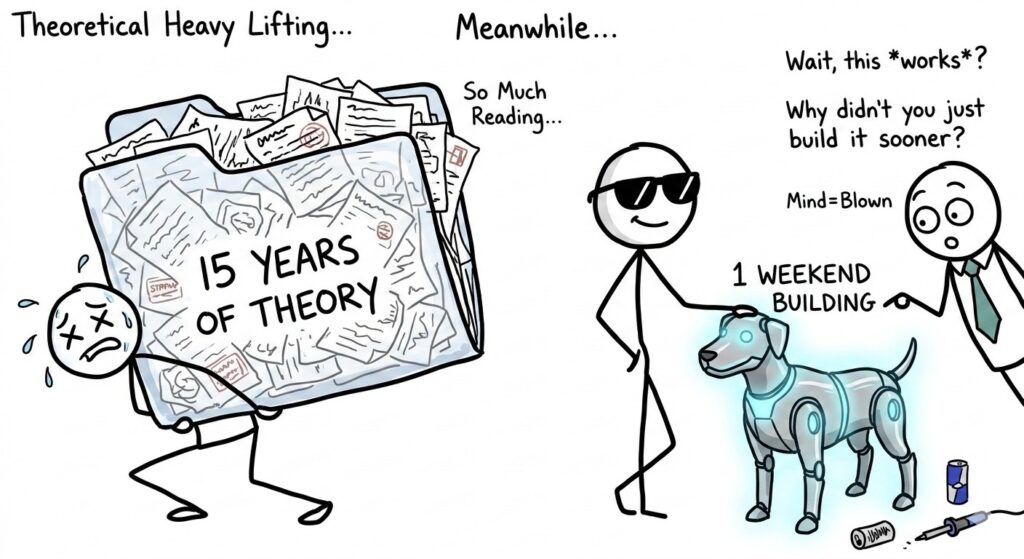
This is the exact design Apni Pathshala uses to build our learning PODs. We aren’t just selling you classes; we are building a system that pulls you forward.
A Pod is a small, tight group of friends learning together, backed by AI tools and real human support.
Here is why Pods work while solo courses fail:
- The Cost of Quitting: In a Pod, if you don’t show up, your team notices. The fear of letting your friends down is way stronger than the motivation to watch a video alone.
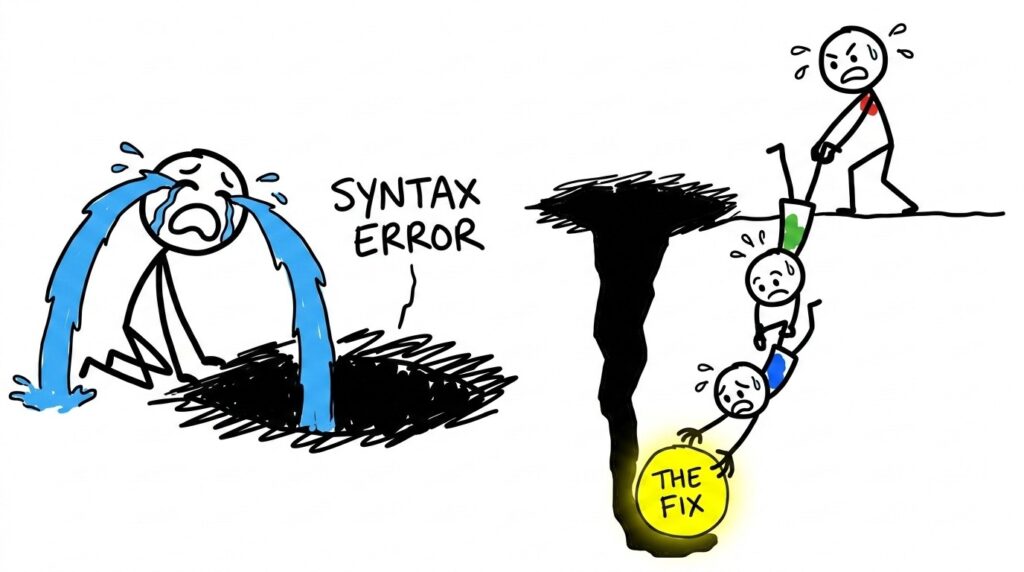
- Fast Fixes: When your code breaks at 11:30 PM, you don’t stare at a wall. You ask the Pod. Someone else who fixed that exact bug yesterday gives you the answer in two minutes.
- Systems Over Passion: You don’t need to wake up feeling “inspired” to learn AI. You just need to show up to your Pod. The group pulls you along, even on your lazy days.
Proof of Work > Degrees
Parents often worry: “But if my child doesn’t get a regular degree, how will they get a job?”
The world in 2026 does not care about paper certificates. When a company wants to hire you, they don’t ask to see your college grades. They ask: “What have you built?”
In a Pod, you don’t study to pass a multiple-choice test. You build real projects. You leave with an AI tool you coded yourself, tested by your peers. That is worth ten times more than a PDF certificate.
Degrees prove you can memorize. Proof of Work proves you can build.
The Choice for 2026
We are moving fast. The gap between people who know AI and those getting left behind is growing every single week.
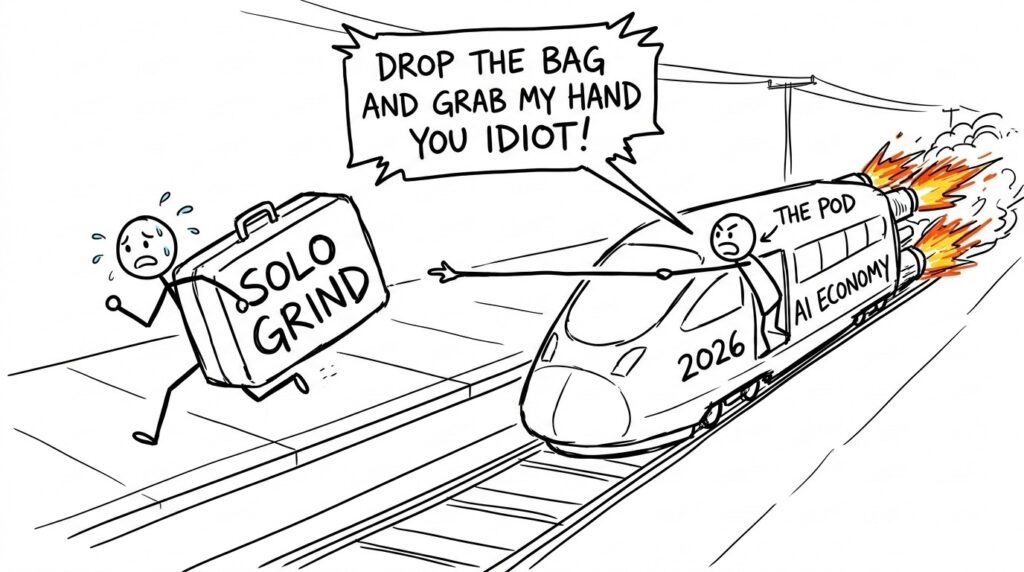
You have two choices. You can keep playing the fragile game of learning alone where one bad Tuesday ruins your whole month.
Or you can join a system that works. A Pod doesn’t just teach you; it physically drags you across the finish line when your willpower gives out. Stop trying to be a lonely genius. Find your Pod.
If you want to understand the deeper system behind decentralized education Read Now
See how Eklavya AI can turn your JEE preparation from random practice into structured, concept-driven mastery.
Read now to see how real education change begins, without heavy funding.
If you want to see how a Pod works, discover how community learning centres are quietly reshaping education in India. Read now
Or visit a Pod near you and experience it yourself.
What role does accountability play in low-cost education models?
It is the backbone.
When attendance, progress, and outcomes are tracked regularly, performance improves automatically. Decentralized models work when every local centre feels responsible for measurable results, not just participation.
Why are AI tools becoming essential for self-learners in 2026?
Because learning is no longer limited by classrooms or teachers.
AI tools provide instant explanations, personalized feedback, structured roadmaps, and practice support. Instead of waiting for doubt-clearing sessions, learners can move at their own pace with real-time assistance. This accelerates both understanding and execution.
How can Eklavya AI help in JEE and NEET question practice?
Eklavya AI acts as a personalized doubt-solving and concept-explaining assistant.
Students can:
- Upload or type JEE/NEET questions
- Get step-by-step solutions
- Ask for concept breakdown in simple language
- Request alternative solving methods
- Generate similar practice questions
This creates active learning instead of passive answer checking.
How is accountability maintained across centres?
Through systems, not assumptions.
Regular reporting, measurable KPIs, attendance tracking, structured curriculum, and monitoring mechanisms ensure that learning outcomes are visible and transparent.