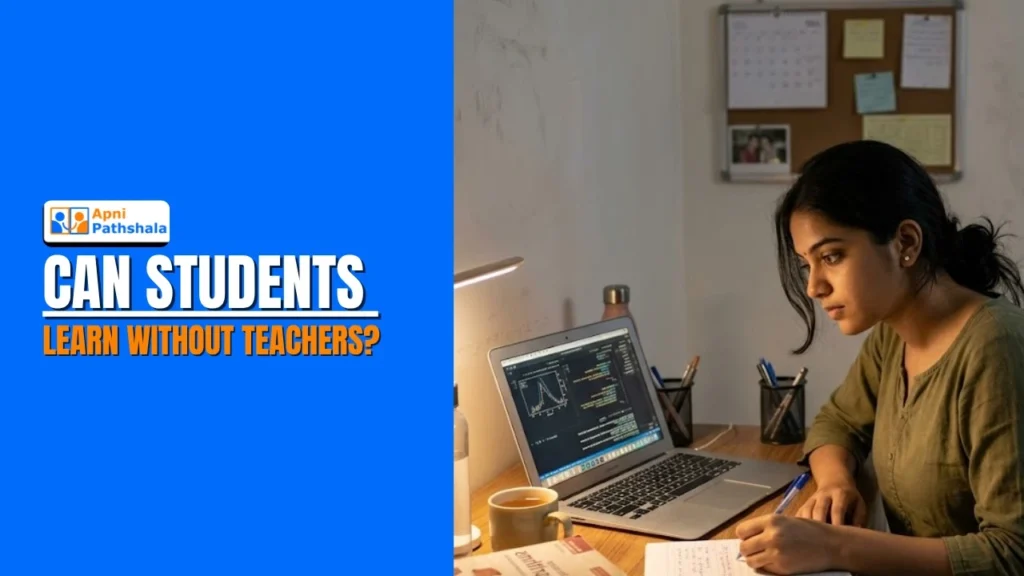
The conventional assumption is that formal education and the presence of a teacher are inseparable, that without one, the other cannot function.
This belief shapes how schools are designed, how learning is evaluated, and how students understand their own capacity for intellectual growth.
It is worth examining more carefully.
The question of whether students can learn without teachers is not, at its core, about replacing educators.
It is a more precise question about function: what does a teacher actually provide, and whether that provision is available through other means.
An Uncomfortable Observation About Power
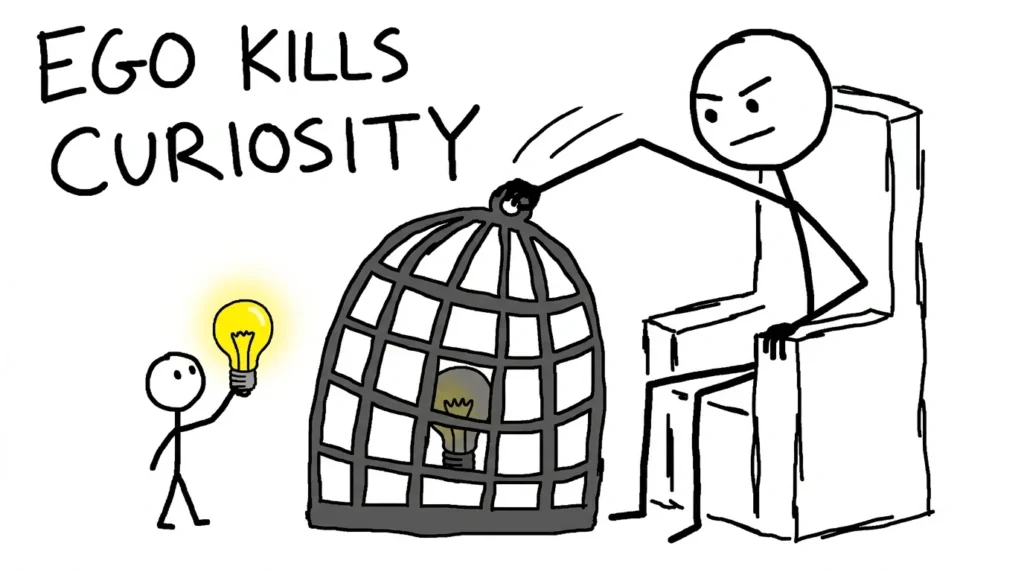
Osho –philosopher, former university professor, and persistent critic of institutional education identified something about the teaching profession that tends to go unsaid.
He argued that only individuals with no desire to dominate should be permitted to teach, on the grounds that those who seek authority will use the classroom to feel powerful rather than to genuinely educate.
His critique was directed not at teachers as individuals but at a system that attracts and then rewards a particular relationship of control.
His observation about competition in education follows from this.
The system, he noted, is built on a kind of manufactured anxiety: students rewarded for finishing first, humiliated for finishing second, with the result that the competitive instinct is cultivated at the direct expense of genuine curiosity.
The student who learns to avoid being wrong publicly is not, in any meaningful sense, becoming a learner.
This is a sharper critique than it might initially appear.
Humiliating a student for asking the wrong question may have very little to do with pedagogy and a great deal to do with the teacher’s need to remain unquestioned.
Whether this dynamic is common or exceptional is debatable.
What History Suggests About Self-Direction?
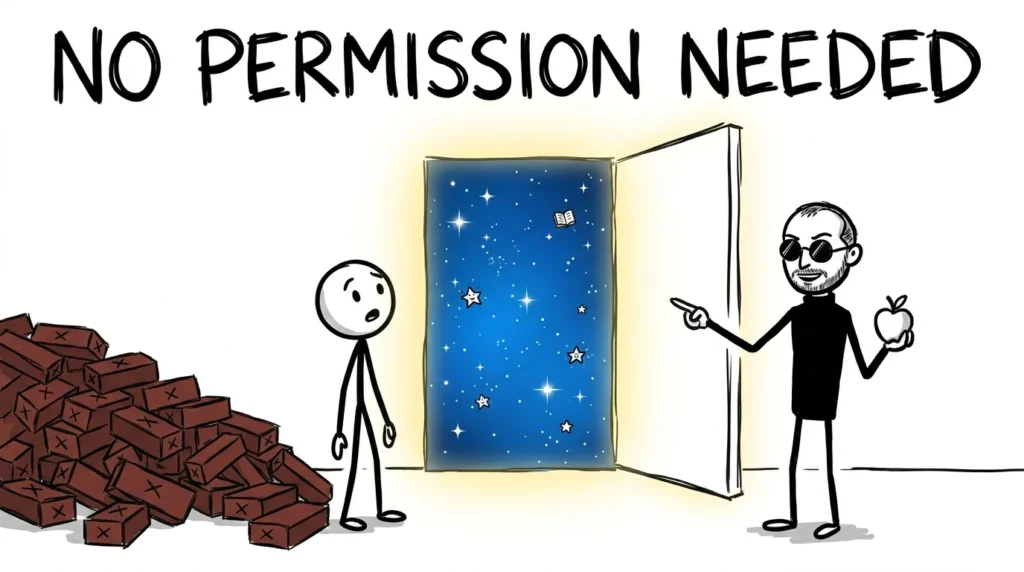
The historical record on self-directed learning is extensive.
Benjamin Franklin, Abraham Lincoln, the Wright Brothers, and, more recently, Bill Gates and Steve Jobs
Individuals whose most significant contributions were not produced through formal instruction suggest that independent learning is not only possible but capable of reaching remarkable depth.
More contemporary data reinforces this pattern.
A 2016 Stack Overflow survey found that approximately 69% of software developers are self-taught, which is particularly striking given that software development is one of the most technically demanding and rapidly evolving fields in the modern economy.
Research, however, introduces important qualifications.
Studies on auto didacticism consistently note that even the most accomplished self-learners rarely operate in complete isolation.
Most benefit from some foundational structure, earlier formal schooling, access to well-organised materials, or a mentor figure who provides orientation without directing every step.
The absence of a formal teacher does not necessarily mean the absence of all support.
What this suggests is binary framing. Teacher-dependent versus fully self-directed may be less useful than identifying the specific functions required for effective learning.
The Three Functions That Matter
Research on self-directed learning identifies three consistent requirements, regardless of whether a formal teacher is present.
The first is the preservation of curiosity.
Environments that punish incorrect answers tend to produce students who are skilled at avoiding public error rather than at genuinely learning.
The student whose curiosity survives the educational process intact has already acquired something that structured instruction often fails to protect.
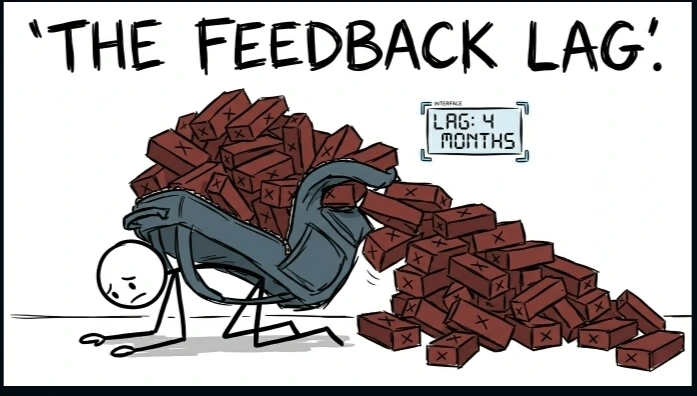
The second is specific, honest feedback.
As explored in our earlier analysis of why students memorise rather than understand, Misconceptions tend to compound quietly over time, becoming visible only when it is too late to address them efficiently.
The third is access to appropriate resources. This is the area where the landscape has shifted most dramatically in recent years.
Platforms such as SWAYAM, NPTEL, and Khan Academy, alongside AI-assisted tools like Perplexity and NotebookLM, now make structured, high-quality learning materials available at minimal or no cost.
The learner who can navigate these resources effectively has access to a significant portion of what a teacher traditionally provided.
The Honest Conclusion
The evidence does not support the claim that teachers are unnecessary.
What it does support is a more nuanced position: that the indispensable elements of learning curiosity, feedback, and resource access can be delivered through different structures, and that the formal teacher is one vehicle among several.
The model that tends to produce the strongest outcomes is neither purely instructor-led nor purely self-directed.
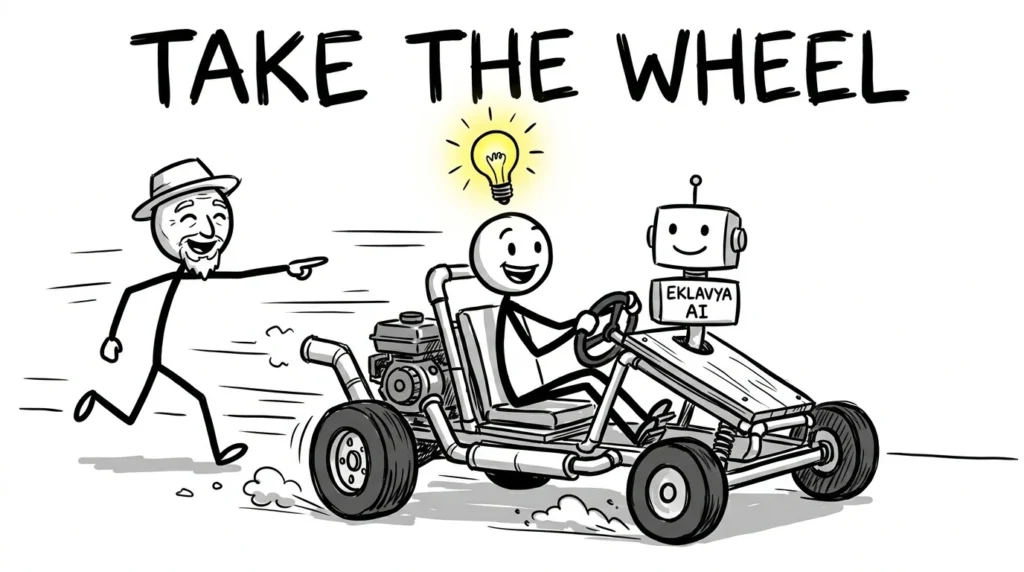
It is one in which the learner retains genuine agency, choosing the direction and pace of study, while structured feedback prevents misunderstanding from accumulating unnoticed.
This is the philosophy underlying Apni Pathshala’s community learning PODs, now operating across 109+ centres in 22 states.
Students in these environments learn through tools like Eklavya AI, which provides chapter-by-chapter guidance and personalised feedback, while POD Leaders serve as guides rather than authorities.
Over 22k students have moved through this model.
The problem, in the end, was never the concept of a teacher. It was a particular teaching approach.
If you want to see where this leads:
Why Digital Literacy Is No Longer Optional for Students in 2026. Read more.
Frequently Asked Questions
1. What is self-learning, and why is it important for students today?
Ans: Self-learning is the ability of students to learn on their own using resources, curiosity, and guidance tools. It is important because the world is changing fast, and students need to learn how to adapt, not just memorize.
2. What happens if students are not digitally literate today?
Ans: Students who lack digital literacy struggle to access online learning resources, fall behind in skill development, and face difficulty competing in modern education and job markets.
3. How does Apni Pathshala work?
Ans: Apni Pathshala operates through PODs (Community Learning Centres), where students learn using computers, a structured curriculum, and peer-learning models guided by POD leaders.
4. Is Eklavya really free to use?
Ans: Yes, Eklavya is completely free. Students can access learning content, tests, and AI guidance without paying any fees or creating an account.