Let’s not sugar-coat it.
The education system most of us grew up in is struggling to serve today’s children.
Despite good intentions, the default school model-fixed syllabi, crowded classrooms, and exam pressure-fails far too many students. Community microschools like ApniPathshala exist not because education needs “innovation,” but because it needs correction.
This is the story of what’s broken, what works better, and how a shift is already happening-quietly, locally, and powerfully.
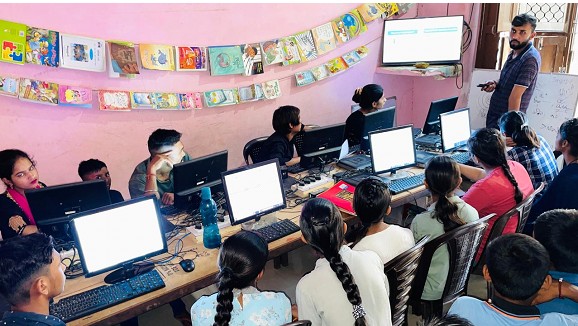
Before: The Way Most Students Learn Today
Picture an average classroom in a conventional school.
Thirty students sit in rows.
One teacher stands at the front.
Everyone follows the same syllabus, at the same pace, toward the same exam.
There is little room for individuality.
Learning is driven by marks, ranks, and the fear of failure. Curiosity is often seen as a distraction. Questions that don’t fit the chapter are brushed aside as “off-topic.” Mistakes are penalized instead of explored.
Over time, students internalise an unspoken lesson:
Don’t think too much. Don’t ask questions. Memorise, repeat, forget.
The results are visible everywhere:
- Curious children are labelled “distracted”
- Fast learners feel bored and disengaged
- Slow learners quietly fall behind
- Almost everyone becomes dependent on tuition classes
School becomes something to endure, not enjoy.
Learning becomes a chore, not a choice.
The uncomfortable truth is this:
Most schools are preparing students for exams, not for life.
After: What Learning Looks Like in a Community Microschool
Now rewind the story.
Same child.
Different environment.
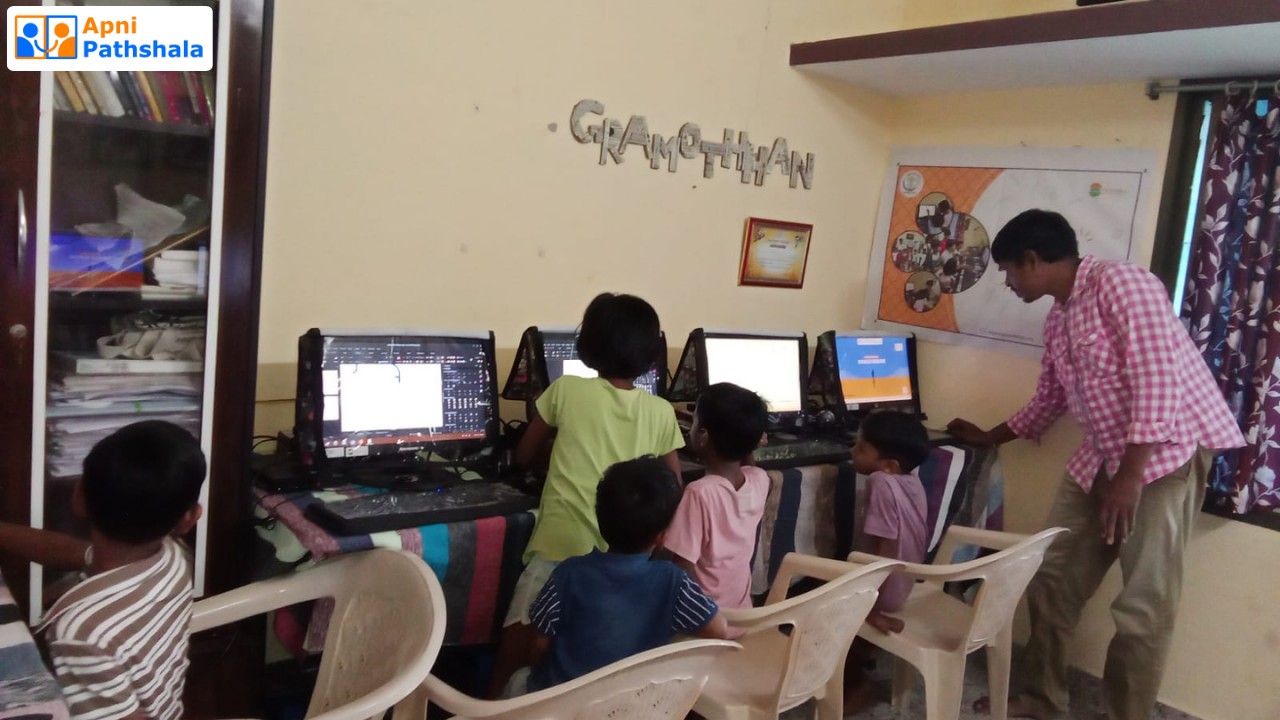
In a community microschool like ApniPathshala, learning looks radically different.
Students learn in small, mixed-age groups, not factory-style batches. The space is calm and safe – no shouting, no punishment, no constant comparison.
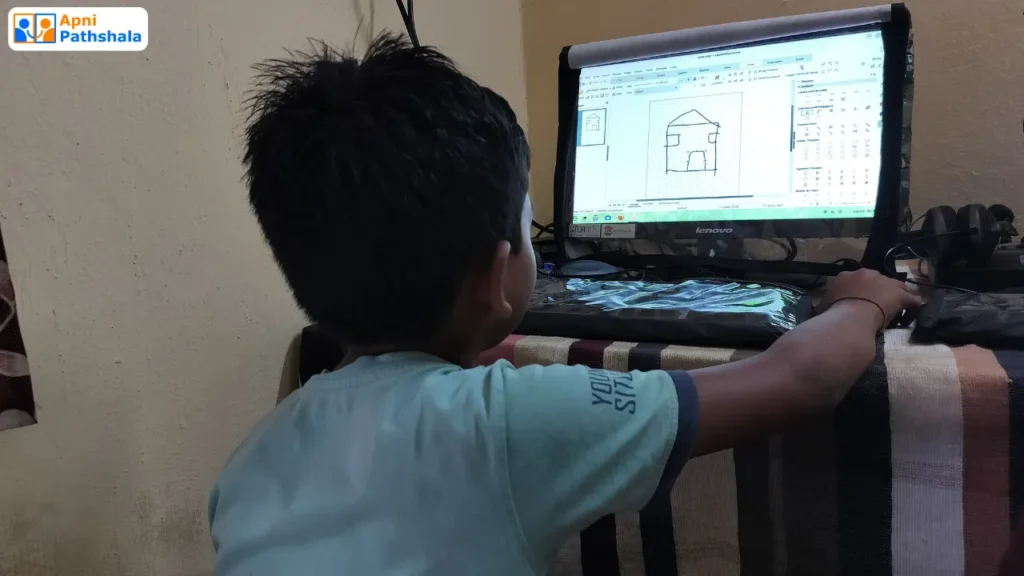
Instead of being rushed through content, children explore concepts at their own pace. They use real tools: computers, the internet, AI tutors, books, and hands-on projects. A caring adult acts as a mentor, not a boss.
Here, students:
- Learn by doing, not cramming
- Ask questions without fear
- Teach each other (one of the fastest ways to learn)
- Build real skills, portfolios, and confidence
Learning sounds like:
“I want to understand this.”
Not:
“Will this come in the exam?”
Children don’t need to be pushed.
They pull themselves forward.
And something powerful happens:
- Self-motivation replaces forced discipline
- Curiosity replaces blind compliance
- Confidence replaces anxiety
This isn’t “alternative education.”
This is education done right.
The Bridge: How ApniPathshala Makes This Shift Possible
A common question follows:
This sounds great, but how do we actually move from the old system to this new way of learning?
That’s where ApniPathshala comes in.
1. Small Is Powerful
Microschools don’t need massive buildings or huge budgets. They operate in homes, community spaces, and unused classrooms.
Low cost.
High impact.
2. Tools Over Textbooks
Students learn using:
- Computers instead of passive notebooks
- The internet, instead of a single outdated textbook
- AI tutors instead of endless tuition classes
Learning becomes personalised, practical, and future-ready.
3. Mentors, Not Traditional Teachers
Adults guide, support, and protect students. They don’t lecture for hours. Children take ownership of their learning, while mentors ensure direction and safety.
4. Parents Become Partners
Parents stop outsourcing education blindly. They gain visibility, trust, and involvement in their child’s learning journey.
No black box.
No false promises.
Conclusion: A Shift That Changes Everything
Traditional schools ask:
“How do we control students?”
Community microschools ask:
“How do we help children grow?”
That single difference changes everything.
ApniPathshala isn’t trying to repair a broken system from the inside. It’s building something simpler, more human, and more effective one neighbourhood at a time.
If we truly want future-ready children, we must first give them freedom, safety, and the right tools to learn.
Everything else follows.
If you believe children deserve more than exam-driven education, it’s time to act.
Whether you’re a parent, educator, volunteer, or community leader, you can help bring a community microschool to your neighbourhood.
👉 Explore how ApniPathshala is reimagining education across India.
👉 Learn how to support, start, or partner with a local microschool.
Visit ApniPathshala and help build an education system that puts children, not systems, first.