A digital learning centre needs more than computers and a strong educational mission. It needs a realistic financial plan, clear partnership commitments, sufficient student demand, and the ability to sustain regular learning activities.
When these elements are not aligned, even a promising education initiative may never become operational.
This case study examines an anonymised partnership reviewed by Apni Pathshala. It explains how concerns about financial commitments, agreement compliance, and operational readiness influenced a funding decision, and what education organisations can learn before establishing a digital learning centre.
The Vision Behind the Partnership
An organisation approached Apni Pathshala with a proposal to establish a Point of Digital Learning (POD) for underserved communities, particularly young people, girls, and women with limited access to digital education and employment-related skills.
The proposed centre was intended to offer digital literacy, typing practice, internet-based learning, content creation, and introductory career-readiness activities.
The organisation committed to enrolling students and stated that it had sufficient funds to finance the centre’s operations while pursuing additional CSR support.
The proposal progressed through the evaluation process, and computers were arranged for the planned centre.
However, a promising proposal must demonstrate more than an intention to create educational opportunities. It must also explain how the initiative will operate, who will meet its recurring costs, and how its commitments will be fulfilled.
Apni Pathshala’s Community Centre POD model provides context for understanding the community-based approach behind these initiatives.
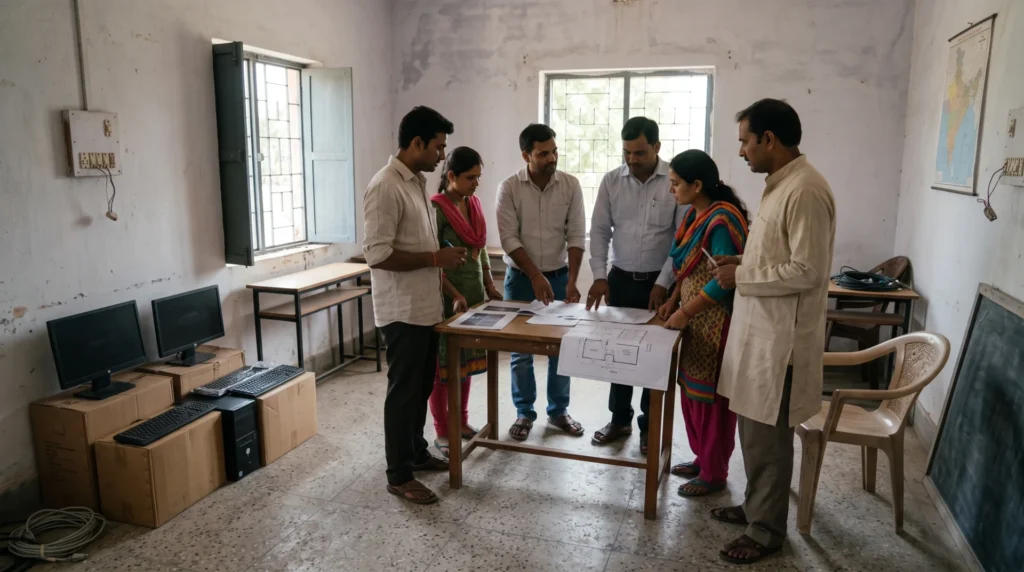
When Partnership Concerns Emerged
During the memorandum of understanding (MOU) stage, the organisation submitted a modified version of the agreement containing changes to the original clauses.
Apni Pathshala’s NPA Manager did not accept the revised document and required the original approved MOU to be signed.
An MOU establishes the responsibilities, equipment-use conditions, and obligations agreed upon by both parties. Any proposed changes therefore need to be reviewed and formally approved before the partnership proceeds.
A separate concern emerged when Apni Pathshala learned that the organisation was also seeking funding for its activities.
Seeking funding from multiple sources is not inherently a problem. The concern was the apparent inconsistency between the earlier statement that the organisation could finance the centre and the subsequent indication that additional financial support was needed.
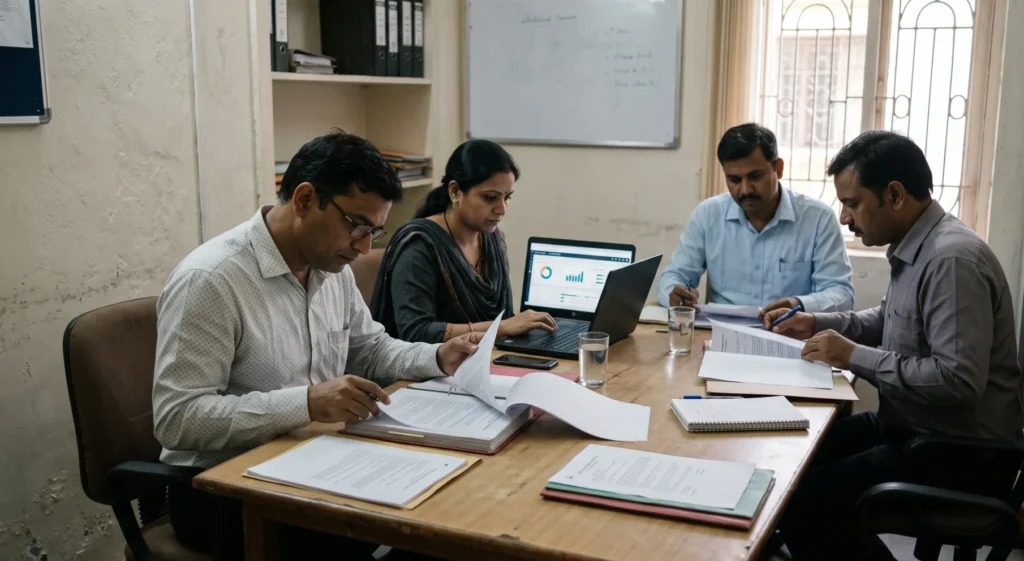
This prompted an internal review of the proposed operating model, funding requirements, and ability to sustain the centre.
What the Internal Review Revealed
The review identified several areas requiring greater clarity and supporting evidence.
Financial sustainability: The organisation had not adequately demonstrated how the centre’s operations would continue over time.
Unclear financial model: Course-fee information appeared inconsistent across public-facing websites, creating questions about the operating model and intended use of financial support.
Insufficient proposal detail: A separate technology funding request lacked sufficient detail about its scope, development plan, budget breakdown, demonstration, and expected outcomes.
Impact and enrolment claims: Projected enrolment, student outcomes, placement claims, and supporting evidence required further verification.
Operational readiness: The organisation needed to show it could recruit students, run regular sessions, and sustain the proposed programme.
These concerns were assessed together. The funding decision was not based solely on the existence of another funding request, but on the combined questions surrounding financial commitments, proposal clarity, and operational readiness.
The Outcome: Why the Centre Did Not Become Operational
Following the internal review, Apni Pathshala declined to provide additional funding.
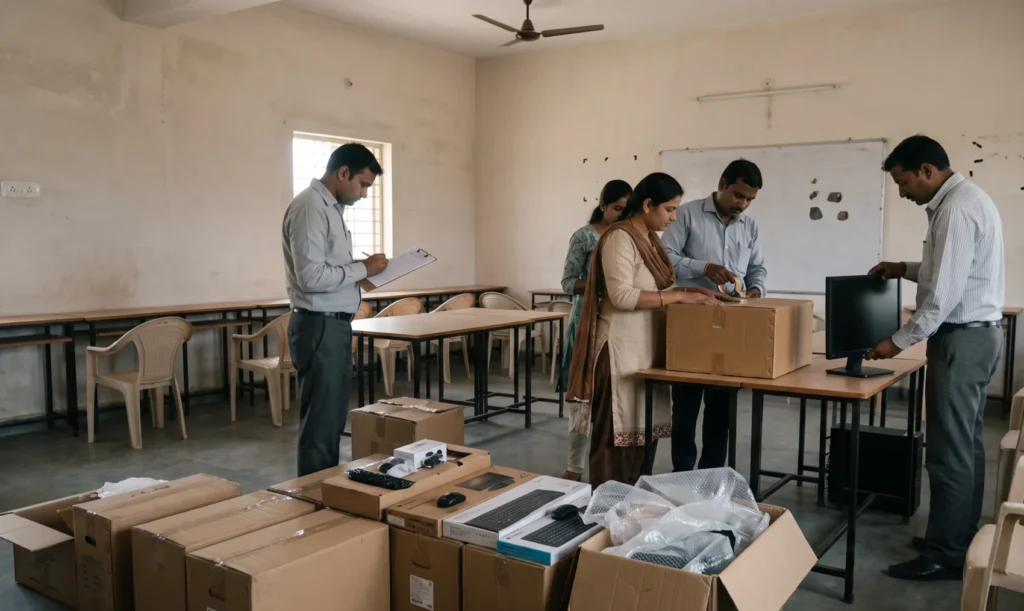
Computers and their peripherals had already reached the organisation, but the proposed POD never became operational. The equipment was returned within a few days, and the planned student enrolment was not achieved.
The organisation subsequently cited insufficient funds, declining student enrolment, and an inability to sustain the initiative as originally proposed.
This differed from its earlier representation that it could finance the centre’s operations independently.
The partnership was closed, and the equipment was returned.
The available records document financial and operational inconsistencies, along with concerns about compliance with the approved MOU. They do not independently establish deliberate fraud.
The central lesson is that equipment delivery alone cannot establish a successful digital learning centre. Financial preparation, community demand, operational planning, and clear responsibilities must work together.
Five Lessons for Sustainable Education Partnerships
1. Verify financial commitments
Before approving a partnership, review the proposed budget, recurring operating costs, available funds, pending funding applications, and dependencies on external support.
A credible proposal should explain how the centre will continue operating, not only how it will launch.
The National Council of Nonprofits’ budgeting guidance explains why budgeting and regular financial review are important for nonprofit financial sustainability.
2. Maintain clear agreement terms
Partners should understand their responsibilities, equipment-use conditions, reporting requirements, and operational commitments before implementation.
Any proposed MOU changes should follow the appropriate review and approval process.
3. Validate student demand
Student enrolment projections should be supported by evidence of community demand, recruitment plans, proposed batch sizes, and the ability to conduct regular learning sessions.
4. Assess operational readiness before deployment
Equipment delivery should be linked to a clear implementation plan. The team should know who will manage the centre, how sessions will be organised, and how progress will be verified.
5. Monitor implementation after delivery
Confirm that the centre is operational, students are enrolled, sessions are taking place, and agreed reporting requirements are being met.
The UK Charity Commission’s guidance on making grants to charities and other organisations highlights appropriate applicant checks, clear grant conditions, and monitoring. Canada’s Revenue Agency also provides a due-diligence model for charitable grants. These are international references for general good practice, not Indian legal requirements.
What Apni Pathshala Learned
This experience reinforced the importance of evaluating financial sustainability, agreement compliance, student demand, and operational readiness together.
It also highlighted the need to document facts, reported statements, identified discrepancies, and internal assessments separately. This allows decisions to remain evidence-based without presenting unverified allegations as established facts.
A sustainable digital learning centre requires more than technology. It needs a credible operating plan, committed local leadership, realistic financial arrangements, and consistent implementation.
For organisations exploring community-based digital education, Apni Pathshala’s PODs programme offers a starting point for understanding the model.
Build a Stronger Foundation for Digital Learning
Planning a digital learning centre? Explore the Apni Pathshala POD model to understand how community-based digital learning can be established with clearer responsibilities and a stronger implementation plan.
A successful partnership begins with a strong vision, but it lasts through clear commitments, careful preparation, and consistent execution.
Frequently Asked Questions
1. What makes a digital learning centre sustainable?
Ans. A sustainable centre needs a realistic operating budget, committed leadership, sufficient student demand, clear responsibilities, and regular monitoring.
2. Why is NGO due diligence important before funding an education project?
Ans. It helps assess financial readiness, operational capability, proposed outcomes, and the credibility of commitments before resources are allocated. Read the UK Charity Commission’s grant-making guidance.
3. What should be checked before computers are delivered?
Ans. Verify the approved MOU, operating budget, student demand, implementation plan, responsibilities, and monitoring arrangements. See the Apni Pathshala PODs programme.
4. What is the main lesson from this case study?
Ans. A strong educational mission must be supported by financial sustainability, realistic commitments, operational readiness, and evidence-based decisions.