The last 15 days at Apni Pathshala felt like full-on daily soap energy. Everyone thought, “Finally… no events, no visits, no chaos. A normal Apni Pathshala day.”
And then reality did what it does best.
Most of the team went on leave, we entered the last month of the year, and suddenly the dangerous season arrived: yearly plans + yearly reports, the phase where teams get judged, questioned, and sometimes criticised.
Brutal? On paper, yes.
But this is Team Apni Pathshala. We’ve survived last-minute chaos, unexpected events, mistakes, retries, and failures and still managed to improve. So no, yearly reports don’t scare us.
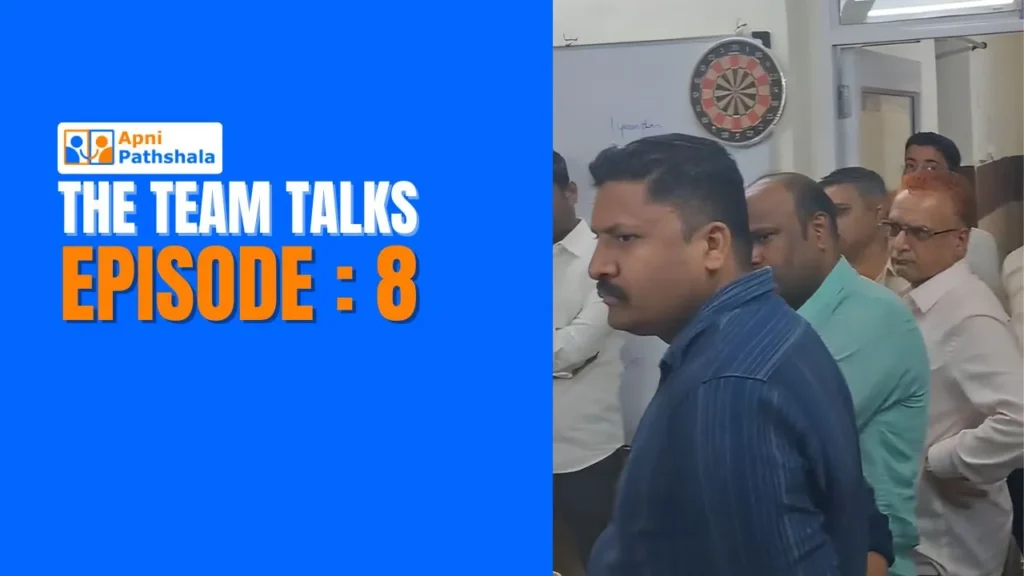
And wait… just like a daily soap, we had a surprise cameo too: the Nalasopara police visited Apni Pathshala.
Before imaginations run wild, don’t worry. It turned into an unexpected (and positive) moment.
Curious? Watch this video:
Here’s how each team spent the last 15 days.
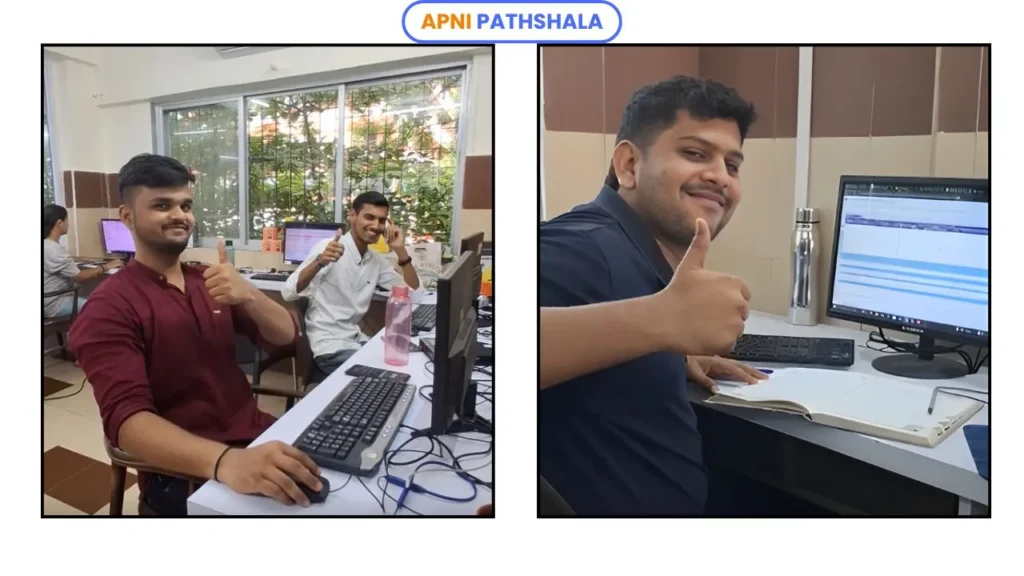
POD Management Team
These 15 days were no joke for the POD Management Team. With many team members on leave and responsibilities piling up, the pressure was real. Right on time, Atharva Chorghe, our new team member, stepped in and helped share the load.
Despite the chaos, the team managed to guide 2.0 PODs in sharing their impact and kept things running smoothly. The effort didn’t go unnoticed; it ended with a well-earned pizza party from the CEO, proving once again: teamwork (and pizza) can fix almost anything.
Confused, What is 2.0? Read our blog.
Achievements
- In our 2.0 learning PODs out of 34 PODs, 24 PODs share their weekly Impact report with our community, which improved our tracking and follow-ups.
- 17 PODs shared their one-year performance and achievement report with our community, inspiring others in the community
- Every single POD from 2.1 shared their 6-month achievement, setting up a good example and motivation for other PODs.
- We conducted November’s Growth Session, basically a session where we appreciate the PODs and their efforts and provide them with a small reward to the best ones, so many PODs get inspired and feel motivated. It almost got disturbed because preparation happened at the last moment, but the team managed it well, and the session went smoothly.
Challenges
- While receiving everyone else’s reports, creating the team’s own report became difficult because many members were on leave, and some were working remotely.
- Hiring and onboarding new team members proved challenging.
- Delays in weekly reports from some PODs continued.
Tech Team
The tech team did what they always do best: kept everything smooth like butter. Systems stayed smooth, shipments arrived on time, and enrollments didn’t create much drama.
The only “plot twist” was this: explaining tech instructions to PODs can sometimes feel like translating WiFi into Hindi, because not everyone is tech-savvy. So a lot of small steps turned into longer back-and-forths.
To fix this, the team is now working on simpler explanations and a non-tech-friendly interface.
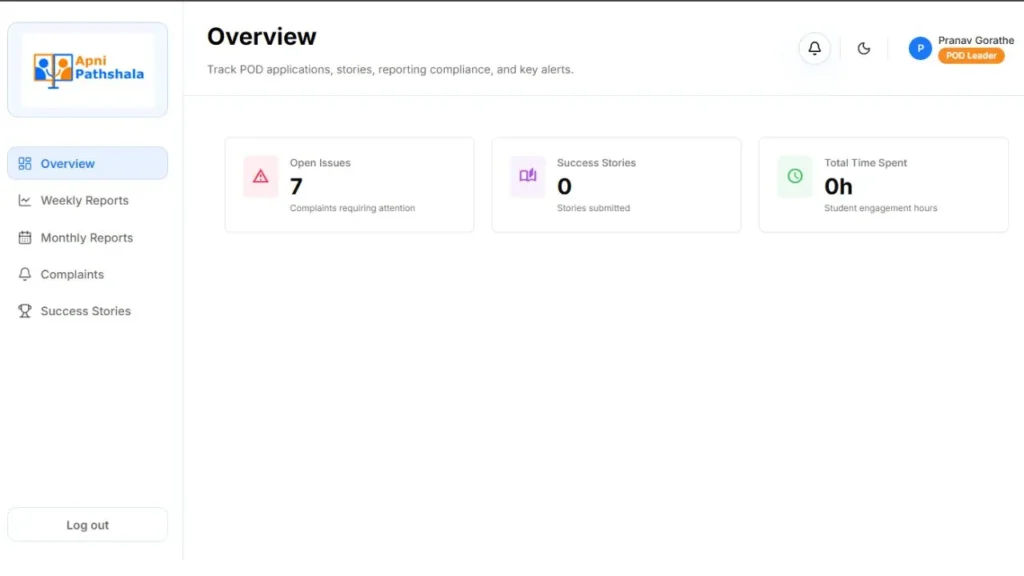
And the best part? All this effort didn’t just stay in talks; it produced a real output: the POD Management System (PMS). The team tested the software and also started planning its launch.
Achievements
- The team tested the POD Management System (PMS) software successfully.
- The team also started planning its launch.
- Daily tech operations stayed stable. Everything worked smoothly without major issues.
- Shipments were delivered on time, so PODs didn’t face delays in receiving required items.
- Enrollments were managed properly, and the process stayed organised.
Challenges
- The biggest repeated challenge was explaining and coordinating with PODs.
- Since not every POD leader is comfortable with technology, even small instructions sometimes took extra time and multiple follow-ups.
Social Media Team
The Social Media team, just like every other team, was busy with reports and deadlines. But we didn’t pause our main job: posting every initiative, output, and challenge through blogs, tweets, reels, and updates. And it worked. Because of consistent posting, we saw a clear spike in LinkedIn followers and connections.
YouTube also gave us solid viewership despite a strike, and our blogs performed really especially the Top 10 Non-Profit Organisation POD posts. Cherry on the cake: We launched the Eklavya AI Student Feedback initiative, so students using Eklavya AI are not only learning from it, but also suggesting new ideas to improve it.
Achievements
- Launched the Eklavya AI Student Feedback Initiative.
- Increased followers organically without paid ads.
- Fixed errors across multiple blog posts, improving content quality.
- The top 10 NPO POD blogs performed well, showing stronger storytelling.
- Promoted the Super 100 program actively on Twitter.
- Our followers and connections spiked on LinkedIn, thanks to our consistency
- YouTube showed a strong recovery 5+ videos crossing 1k views, even after facing a strike.
Challenges
- One POD was facing internal problems, so content from that learning POD got delayed, and our posting flow was affected.
- Instagram temporarily reduced our reach, so our posts didn’t go out as smoothly as expected.
- Blog publishing became slower because the website manager was on vacation.
Galti Se Mistake
Because growth is incomplete without owning up to what didn’t go as planned, here’s a quick look at our “Galti Se Mistake” moments from the last 15 days:
- We underestimated how much team availability would be impacted when some of our core members went on leave at the same time, which suddenly increased the workload.
- Some last-minute preparations, especially around the Growth Session, added avoidable pressure that better planning could have reduced.
- Being very flexible with a few learning PODs sometimes resulted in delayed responses and missed timelines. It showed us that support works best when it is paired with clear expectations and timelines.
- Reporting workflows and Google Forms still confused a few PODs, highlighting the need for simpler, clearer systems.
The upside? Every mistake turned into a learning experience. These insights are already helping us tighten processes, set clearer expectations, and move into the next cycle stronger and smarter.
Do you want to know our hidden challenge? Watch this video.
Conclusion
The last 15 days at Apni Pathshala were less about launches and more about thinking, fixing, and planning.
Despite limited manpower, connectivity issues, and reporting pressure, every team showed resilience, adaptability, and strong collaboration.
In these 15 days, we focused on keeping POD operations stable, improving our systems, fixing work processes, and preparing plans for the new year. Now that the team is coming back together, one thing is clear: we are more prepared than before, our direction is clearer, and the team’s energy is back.
If you enjoy audio-visual stories, don’t miss our Internal Gupshup series on YouTube and Instagram for behind-the-scenes highlights, candid moments, and the latest updates straight from our teams.
If you want to dive into our previous adventure, read our Team Talks Of Apni Pathshala: Ep-7, and if you are a new reader and curious about this journey, read our Team Talks Of Apni Pathshala: Ep-1 and feel free to comment on your thoughts.