

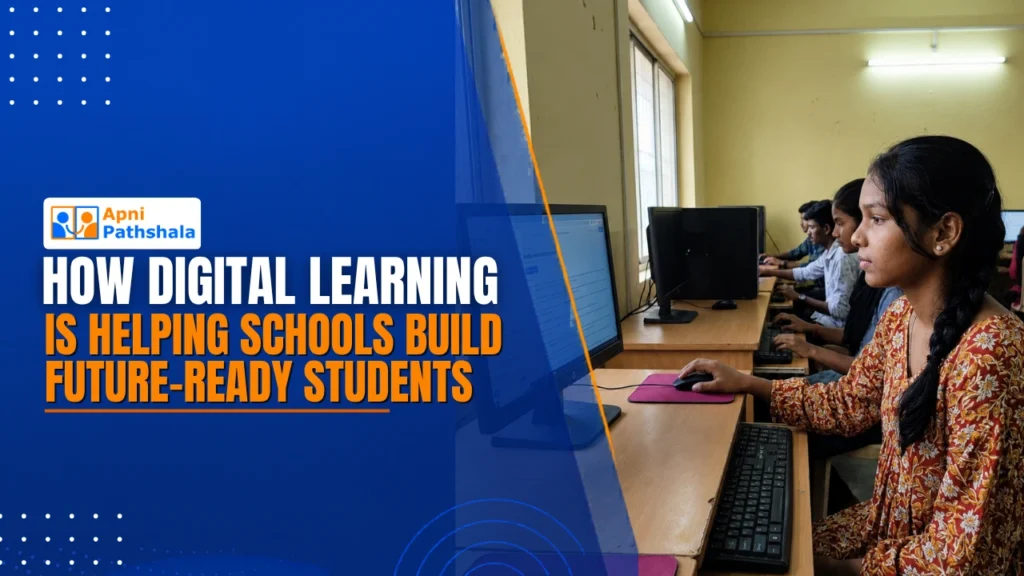
For decades, education followed a familiar path. Students learned inside classrooms, teachers explained concepts, and textbooks remained the primary source of knowledge.
But the world students are preparing for today is very different.
Technology has changed how people work, communicate, and solve problems. New careers are emerging, industries are evolving, and students need skills that go beyond memorising information.
This raises an important question:
How can schools prepare students for a future that is becoming more digital every day?
The answer is not simply putting computers inside classrooms.
The real transformation happens when technology becomes a meaningful part of learning, helping students understand concepts better, explore new ideas, and learn according to their own pace.
This is where digital learning is creating a new direction for school education.
Digital Learning Is Changing the Way Students Learn
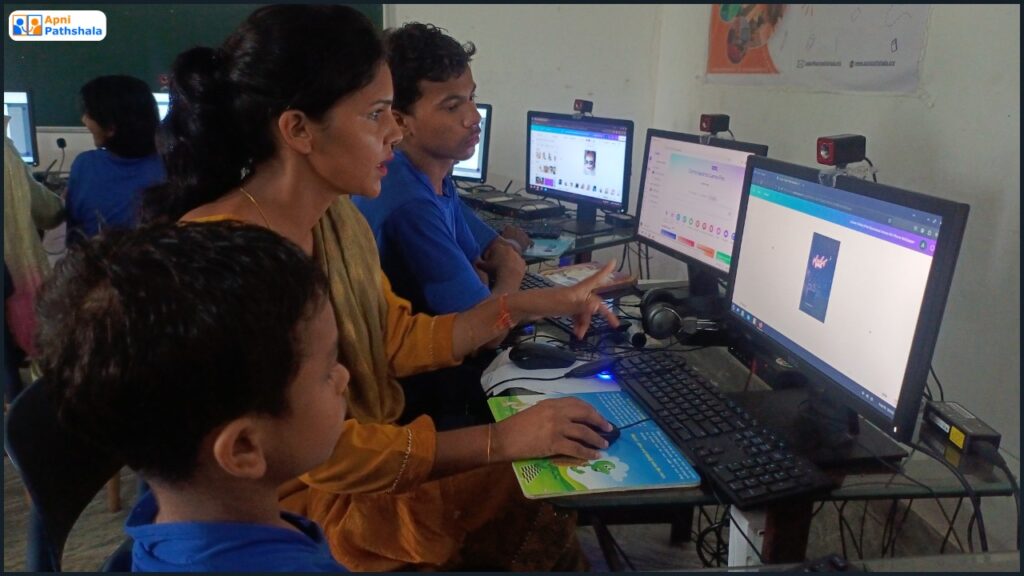
Traditional classrooms have always played the most important role in education. Teachers guide students, explain concepts, and help them develop confidence.
However, every classroom has different learners.
Some students understand a concept immediately.
Some students need additional explanations.
Some students hesitate to ask questions when they are struggling.
Digital learning creates an opportunity to support these different learning needs.
A student can revisit a difficult topic, explore additional examples, and practice concepts beyond classroom hours.
Technology does not replace the teacher.
Instead, it gives teachers another way to support students and create better learning experiences.
According to UNESCO’s Digital Education initiatives, technology can improve education systems when it is used with the right learning approach and focused on actual student needs.
Moving Beyond Digital Access Towards Meaningful Learning
When people talk about digital education, the first thing that often comes to mind is access.
Computers.
Internet.
Digital classrooms.
These are important foundations, but they are only the beginning.
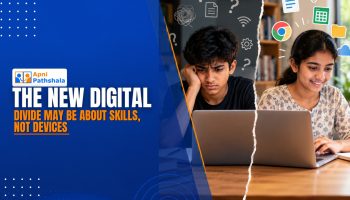
A device alone cannot change how a student learns.
The real impact comes when students use technology to understand concepts, solve problems, practice skills, and explore new possibilities.
This is why schools need a complete digital learning ecosystem.
Students need access to technology.
Teachers need support and training.
Schools need tools that connect technology with their learning goals.
At Apni Pathshala, this belief has always been at the centre of our work, technology should not just reach students; it should help them learn better.
Through initiatives like Apna PC, students get access to computers that can become powerful learning tools rather than just digital devices.
Personalised Learning Can Support Every Student
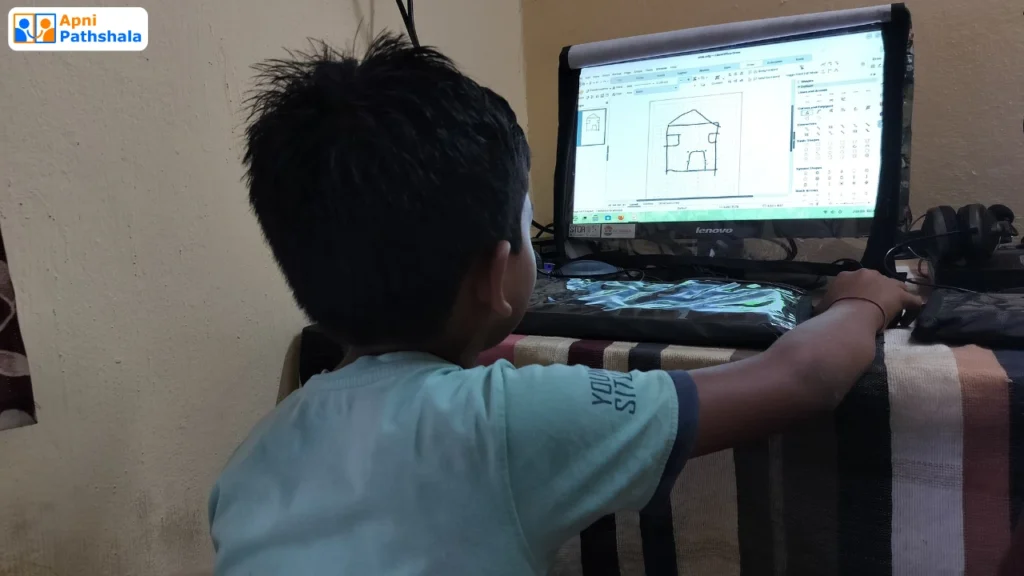
Every student learns differently.
One student may understand a topic through examples.
Another may need visual explanations.
Someone else may require more practice before feeling confident.
In a classroom with many students, providing individual support to every learner at every moment can be challenging.
This is where personalised learning becomes important.
Technology can help create learning experiences that adapt to student needs.
Artificial Intelligence is opening new possibilities by providing students with additional support whenever they need it.
Platforms like Eklavya AI are built around the idea of supporting students with personalised learning assistance while keeping teachers at the centre of education.
The purpose of AI in education is not to replace teachers.
Teachers understand students, their challenges, and their potential.
AI simply becomes another support system that helps students learn better.
Preparing Students for a Digital Future
The students of today will enter a world where technology will be part of almost every profession.
Future-ready students will need more than academic knowledge.
They will need:
- Digital confidence
- Problem-solving skills
- Creativity
- Critical thinking
- Ability to use technology responsibly
Digital learning helps students become comfortable with technology from an early stage.
It allows them to use digital tools for learning, creating, and exploring rather than only consuming content.
The National Education Policy 2020 also highlights the importance of integrating technology into education to improve learning opportunities and outcomes.
Digital Education Is Also About Better Digital Habits
Technology provides opportunities, but students also need guidance on how to use it effectively.
Knowing how to search for information.
Understanding responsible technology use.
Developing healthy digital habits.
These are becoming essential skills for students.
Digital learning is not only about academic improvement.
It is also about helping students build confidence in the digital world.
This is the idea behind Apni Prerna, which focuses on helping students develop better digital experiences and understand technology in a more meaningful way.
How Schools Can Build Future-Ready Learning Environments
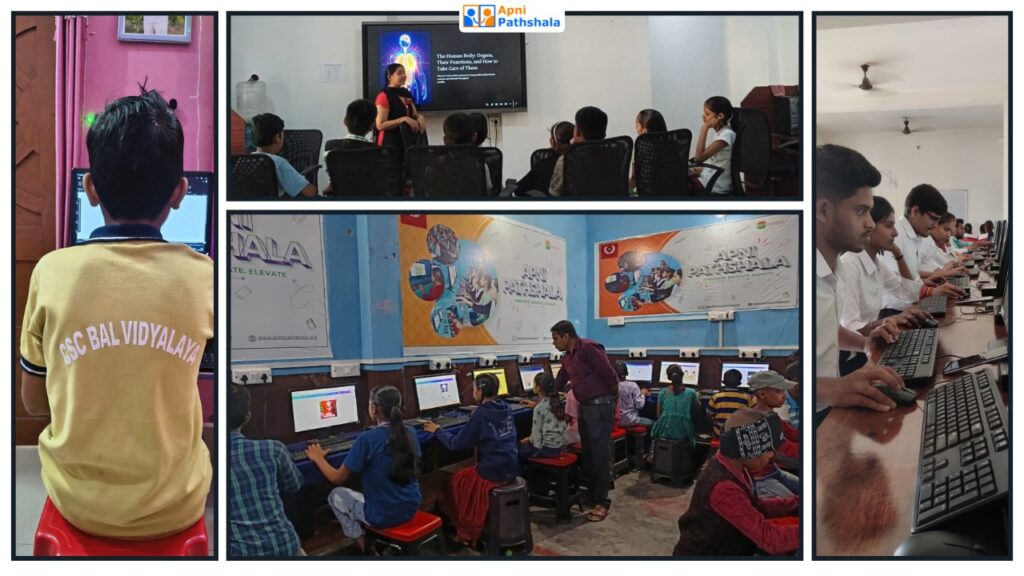
The future of school education will not be created by technology alone.
It will be created when teachers, schools, communities, and technology work together.
A successful digital learning environment requires:
- Teachers who understand how to use technology effectively
- Students who receive proper guidance
- Schools that choose meaningful learning tools
- Systems that focus on actual learning improvement
Research by UNICEF on digital learning also highlights that technology can support children’s learning when it is designed around accessibility, inclusion, and student needs.
Digital transformation in schools is not about replacing traditional education.
It is about strengthening it.
Building the Future of School Education
The best classrooms of the future will not be the ones with the most technology.
They will be the ones where technology is used with purpose.
A student understanding a difficult concept because they received the right support.
A teacher helping more students because they have better tools.
A school creating opportunities that were previously difficult to provide.
These are the moments that create real educational impact.
Digital learning is not changing education because technology is powerful.
It is changing education by giving teachers and students new possibilities.
Creating Better Learning Opportunities Together
Education has always evolved with society.
From blackboards to digital classrooms, every change has been about finding better ways to help students learn.
Today, technology gives us another opportunity to make learning more accessible, personalised, and meaningful.
At Apni Pathshala, we believe that technology has the greatest impact when it reaches the students who need it most and when schools have the right support to use it effectively.
Our recent journey with Project Narayan is one such example, where the focus was not just on introducing technology, but on understanding how AI-powered learning can support students inside real classrooms.
You can read more about how this mission started and how AI-powered learning is being introduced in government schools through How Digital Learning Is Reaching Government Schools in Raichur.
The future of education will not be built by technology alone.
It will be built by educators, schools, and communities that choose to use technology with purpose.
Together, we can build learning environments where every student gets the opportunity to learn, grow, and become ready for the future.
Frequently Asked Questions
1: Why was Project Narayan started?
Ans. Project Narayan was launched to make high-quality, AI-supported learning opportunities accessible to more students and to strengthen school education.
2: Why is Apni Prerna important for students?
Ans. It helps students develop digital awareness, discipline, and healthier learning routines.
3: What is the National Education Policy (NEP) 2020?
Ans. The National Education Policy (NEP) 2020 is India’s education policy that focuses on improving access, quality, and learning outcomes by making education more holistic, flexible, and technology-enabled. It encourages the use of digital tools to support better teaching and learning experiences.
4: How does UNESCO view the role of digital education?
Ans. UNESCO believes digital education can improve access, inclusion, and quality of learning by using technology to support students and teachers. It focuses on ensuring that digital tools are used meaningfully to create better learning opportunities for everyone.



2 Responses
A valuable perspective on how digital learning can prepare students for a changing world. With the right tools and guidance, technology can make learning more engaging, accessible, and future-ready while helping students build essential skills for tomorrow.
Absolutely! Glad you found it valuable. Digital learning helps students learn better and prepare for what’s ahead. Thank you for sharing your thoughts!