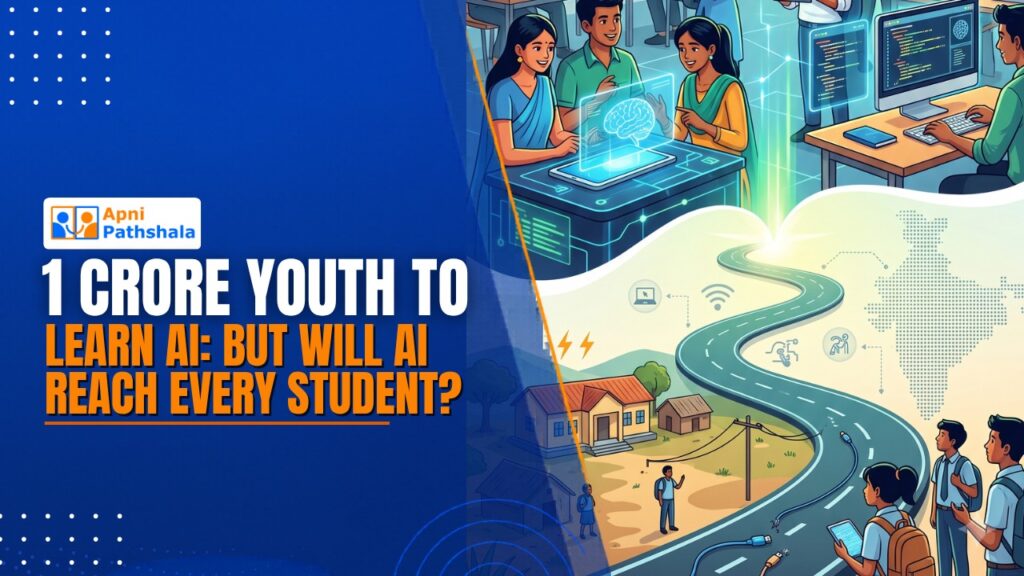
PM Modi has announced AI-skilling for one crore youth in one year. But what does this actually mean for students, schools, and communities across India?
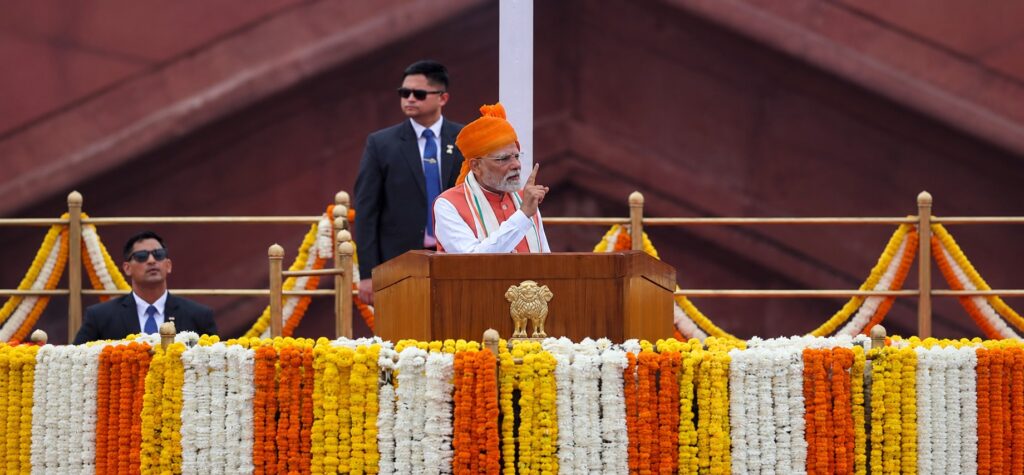
On August 15, 2026, Prime Minister Narendra Modi announced that one crore young people would be trained in Artificial Intelligence skills over the next year.
But the real question is not only how many students join an AI course.
It is whether they can actually use AI confidently, responsibly, and independently after the training.
What Did PM Modi Announce?
During his Independence Day address, Prime Minister Modi announced a target to train one crore youth in AI skills within one year. The announcement also included plans for free online coaching for competitive examinations, using digital infrastructure and teaching resources to widen access.
Read the official PMO announcement on AI skilling and the PIB summary of the August 15 announcements.
The Real Challenge Is Access
Imagine two students receiving the same AI course.
One has a laptop, stable internet, teachers familiar with digital tools, and a quiet place to practise.
The other shares a smartphone with family members and rarely gets access to a computer.
Meaningful AI learning needs a suitable device, connectivity, basic digital confidence, guidance, and time to practise.
India cannot build an inclusive AI future if AI learning remains easiest for students who already have strong digital access.
Learning AI Is More Than Learning How to Prompt
Many students already use AI tools to explain topics, summarise chapters, generate ideas, and complete assignments.
But knowing how to type a prompt is not the same as knowing how to use AI well.
We explored this earlier in The Hidden Digital Literacy Crisis Among Indian Students.
AI literacy should go further. Students need to verify AI-generated information, recognise inaccurate answers, protect personal information, use AI ethically, solve problems, and know when human judgement matters.
UNESCO’s AI Competency Framework for Students follows a similar direction, focusing on human-centred thinking, ethics, understanding AI applications, and moving from understanding to applying and creating.
AI education should create better thinkers, not faster copy-pasters.
Where Apni Pathshala Connects
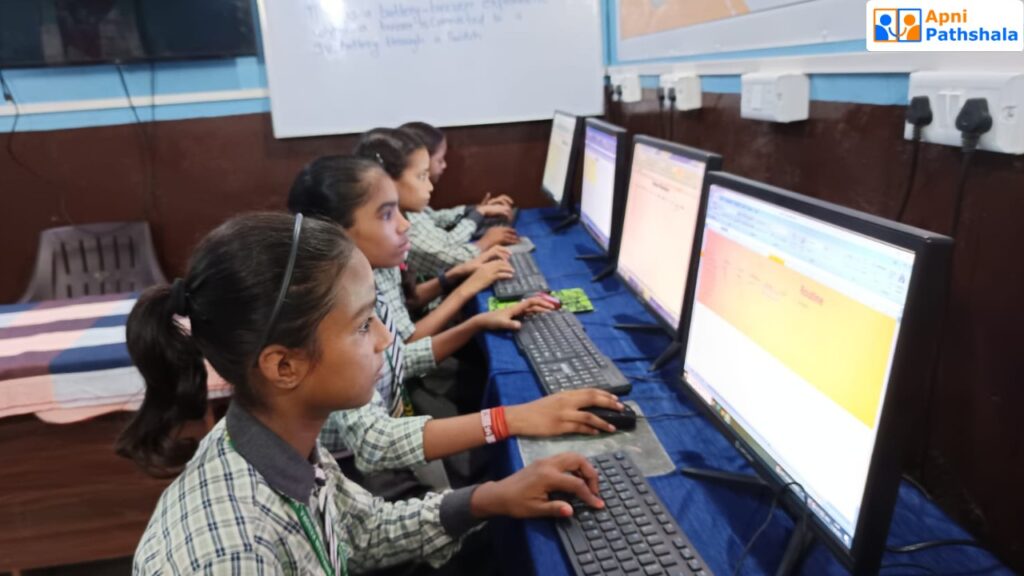
For more than three years, Apni Pathshala has worked with schools, NGOs, community organisations, and local leaders to bring digital learning closer to students.
Our lesson is simple: technology creates impact only when students can actually use it to learn.
AI creates the same challenge.
India does not just need students who can access AI. It needs students who know when, why, and how to use it.
That means moving from AI access to AI capability.
What Can AI Learning Look Like in a Government School?
Apni Pathshala is already exploring this question through Project Narayan in Raichur.
Through the project, Eklavya AI is being introduced in government-school learning environments to provide students with additional academic support.
The objective is not to replace teachers. It is to help students who need another explanation, more practice, or support with a difficult concept.
You can read more in How AI Is Changing Learning in Government Schools in Raichur.
AI reaching well-equipped schools is useful. Reaching students who usually receive new technology later can help close a deeper opportunity gap.
That is when access begins turning into opportunity.
How Should We Measure Success?
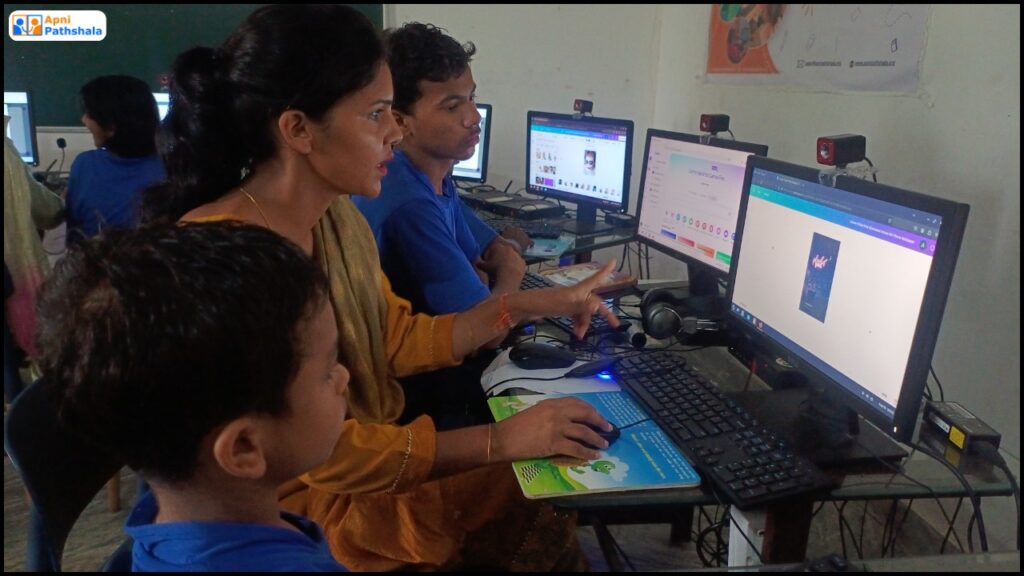
Training one crore youth is an ambitious starting point, but registrations and certificates cannot be the only measures of success.
The better questions are simple.
Can students use AI to understand difficult concepts?
Can they recognise when an answer may be wrong?
Can they verify information, solve problems, and create projects?
Can they use AI without becoming dependent on it?
India does not just need one crore AI users. It needs young people who know how to think, learn, question, and create with AI.
AI Should Support Thinking, Not Replace It
Introducing AI without teaching students how to learn with it carries a risk.
A homework question goes into a chatbot. A polished answer comes out. The assignment is submitted.
But the student may understand nothing more than before.
That is not meaningful AI education.
AI should help students ask better questions, practise, explore, and build. The student should remain the learner, and AI should remain the tool.
Tools will change. Models will change. Jobs will change.
The stronger skill is the ability to keep learning as technology changes.
One Crore Youth Can Be the Beginning
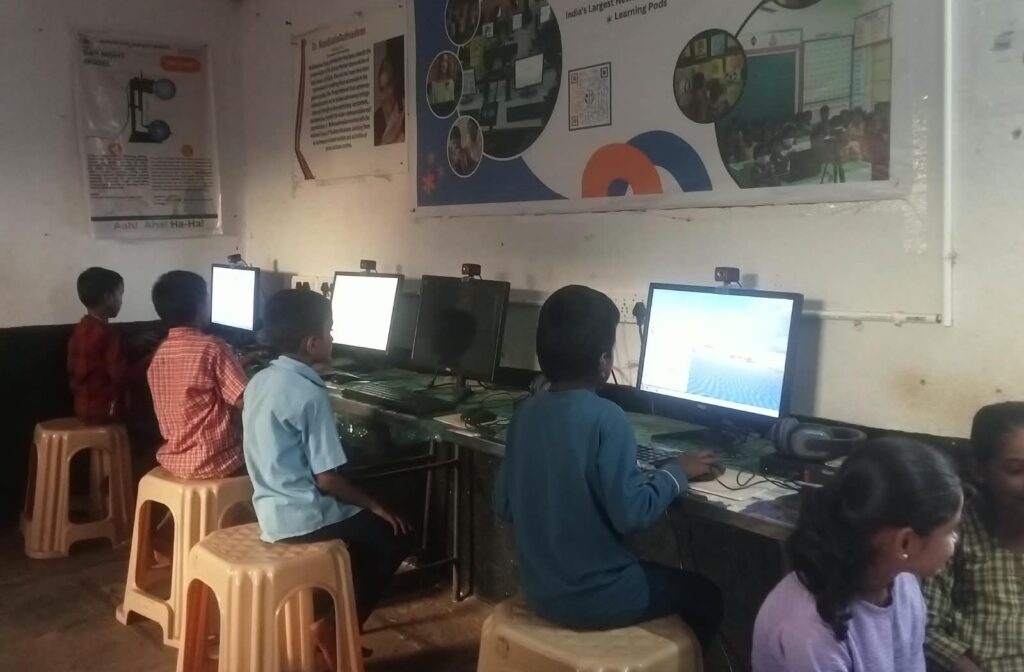
PM Modi’s announcement brings AI skilling into the national education conversation at the right time.
Now the harder work begins.
AI learning has to move beyond metros and well-resourced institutions to government schools, small towns, and community learning spaces.
Teachers need support. Students need digital confidence. Responsible AI use, privacy, verification, and critical thinking need to become part of the learning process.
If these pieces come together, one crore can represent much more than course enrolments. It can represent a generation better prepared for an AI-driven world.
Don’t Just Make Schools Digital. Make Students AI-Ready.
The next digital divide may be between students who know how to use AI intelligently and students who only know that AI exists.
That gap matters.
If you run a school, NGO, or community learning space, you can start building AI readiness locally.
Students first need digital confidence, then guidance, and then opportunities to explore new tools.
Apni Pathshala works with local changemakers to create learning environments where students can build practical digital skills and familiarity with AI-supported learning.
Start an Apni Pathshala POD and help bring digital learning closer to students in your community.
The next AI-ready student should not have to come from an expensive school or a big city.
Bring the opportunity closer. Give students the tools to learn, and let talent come from anywhere.
For schools, this is also a chance to prepare early. AI readiness does not require every student to become a programmer. It starts with digital confidence, curiosity, responsible use, and regular practice. Those foundations can help students use future tools with greater independence and better judgement.
Frequently Asked Questions
1. What did PM Modi announce about AI skilling for Indian youth?
Ans. PM Modi announced that 1 crore youth will be trained in AI skills within one year, helping young Indians build capabilities for an AI-driven future.
2. How is AI being used in government schools in Raichur?
Ans. AI-powered learning is helping Raichur students get personalised support, strengthen foundational skills, and learn at their own pace.
3. What AI skills should students learn for the future?
Ans. UNESCO recommends that students develop AI competencies in human-centred thinking, AI ethics, AI techniques and applications, and AI system design, progressing from understanding to applying and creating with AI.
4. Why is digital literacy important for students today?
Ans. Digital literacy helps students use technology safely, confidently, and effectively for learning, communication, research, and future career opportunities.